
Last updated November 2, 2026
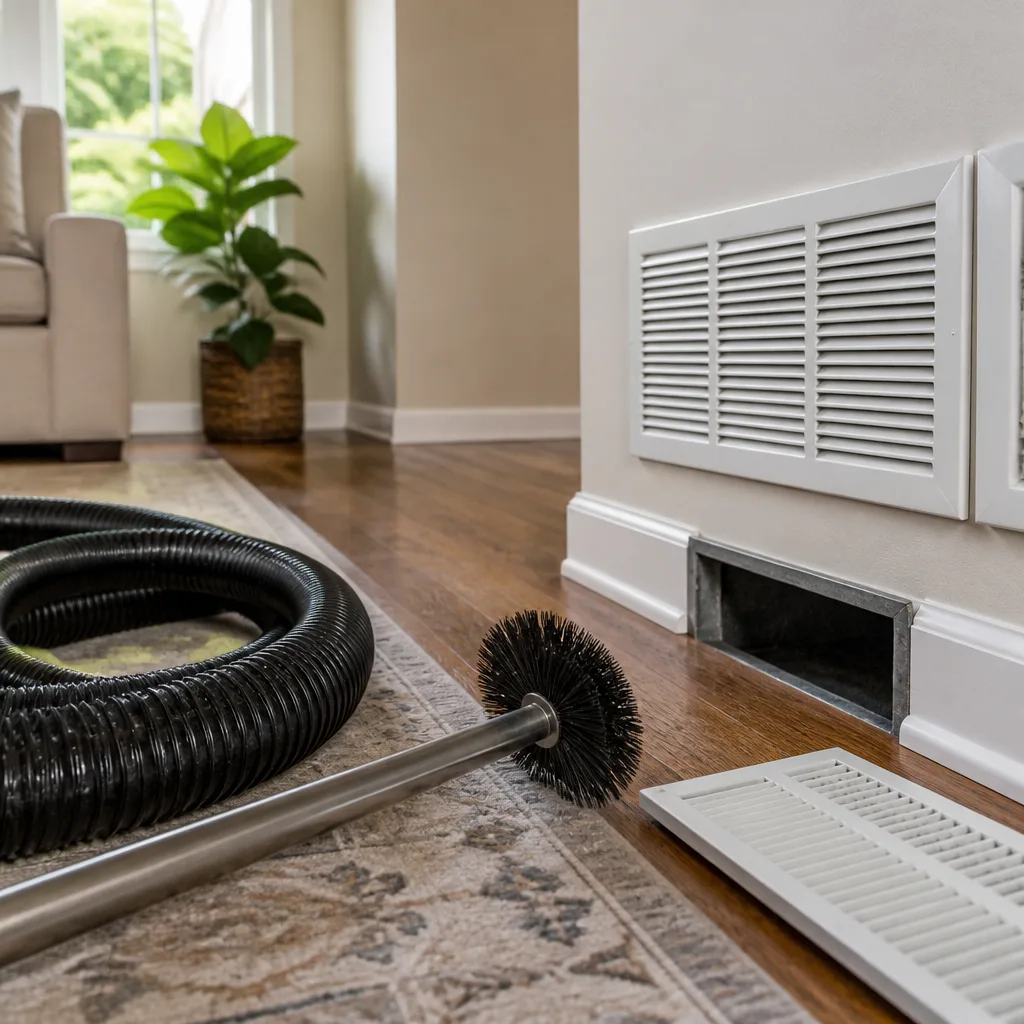 Whole-home duct cleaning
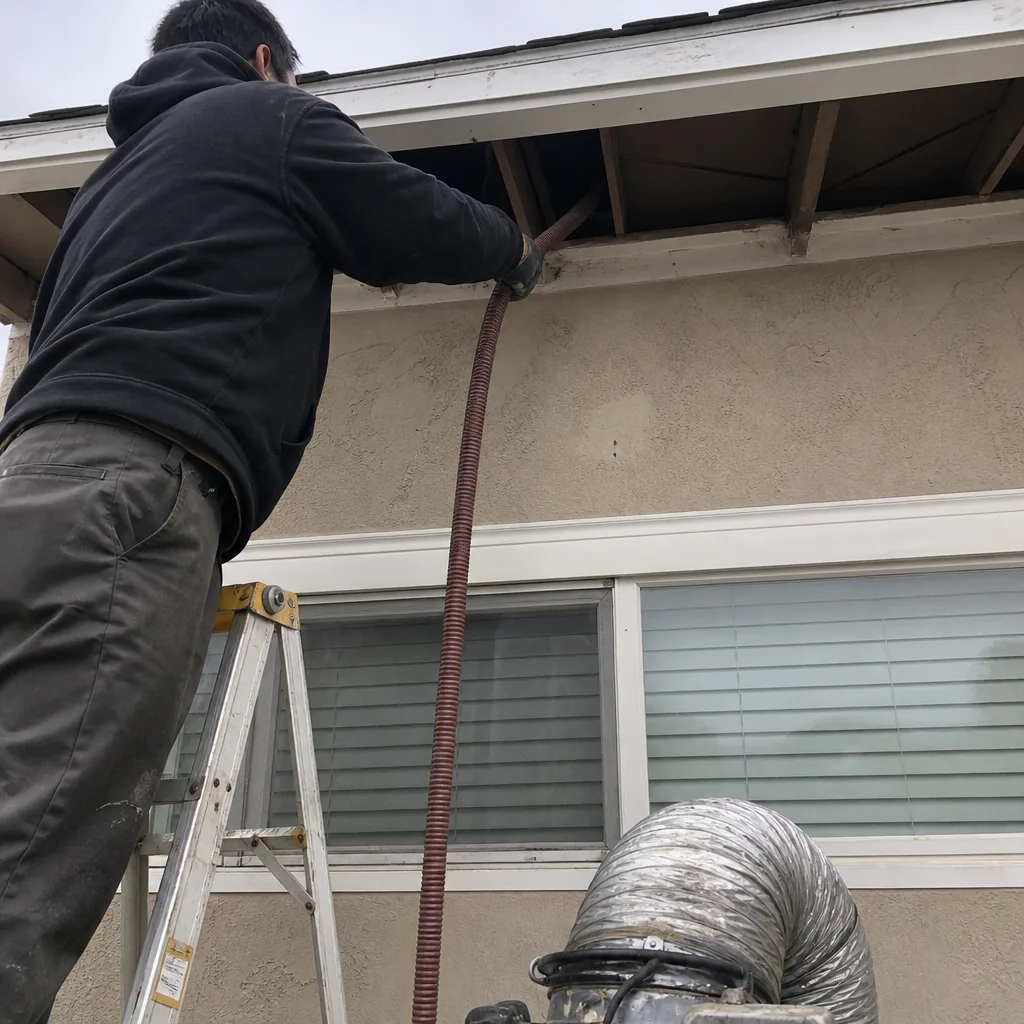
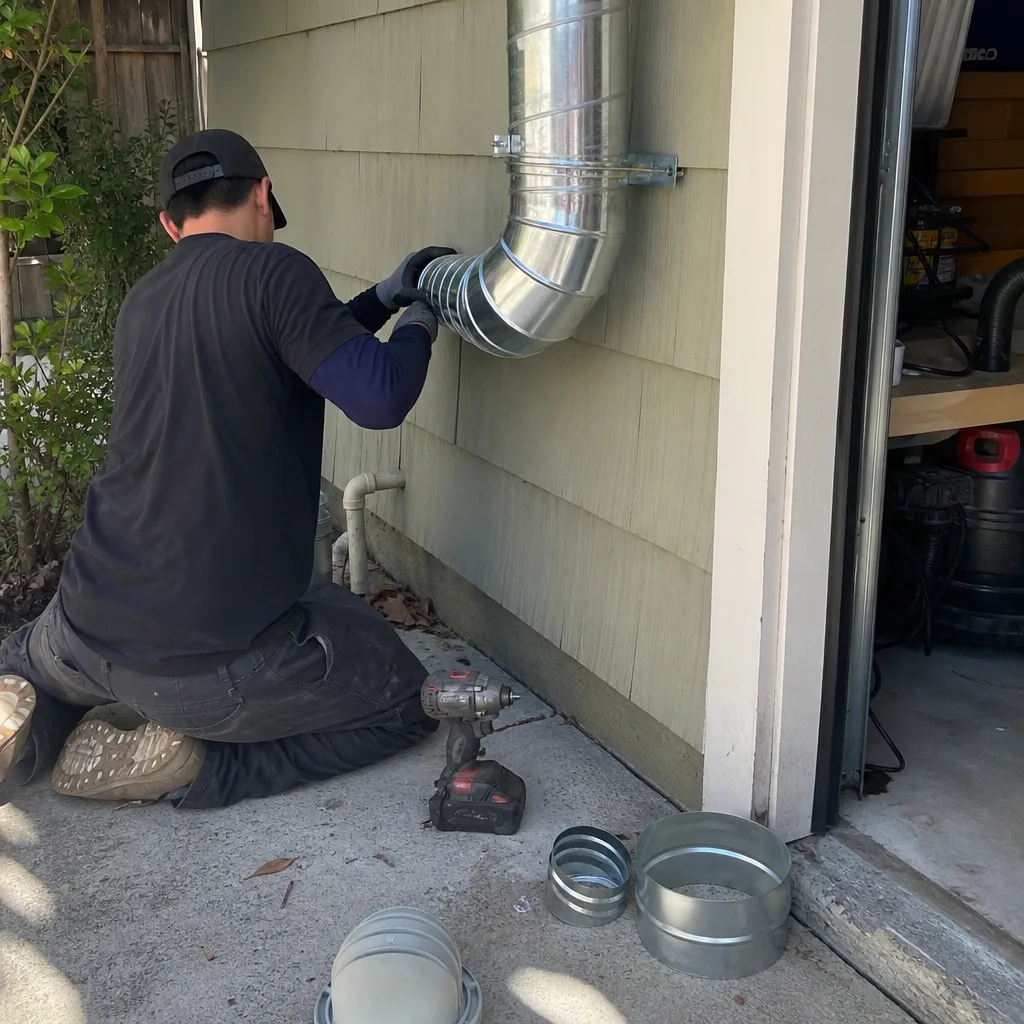
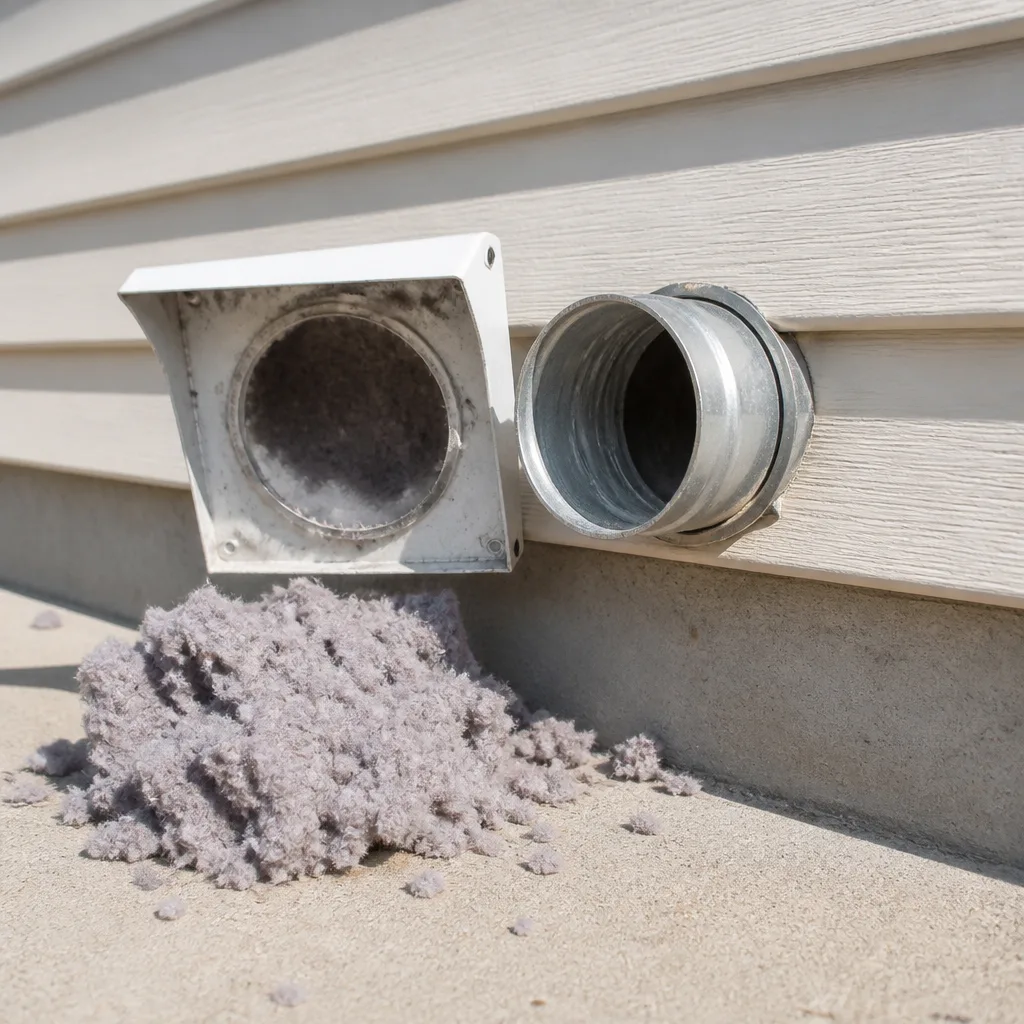 Dryer vent cleaning
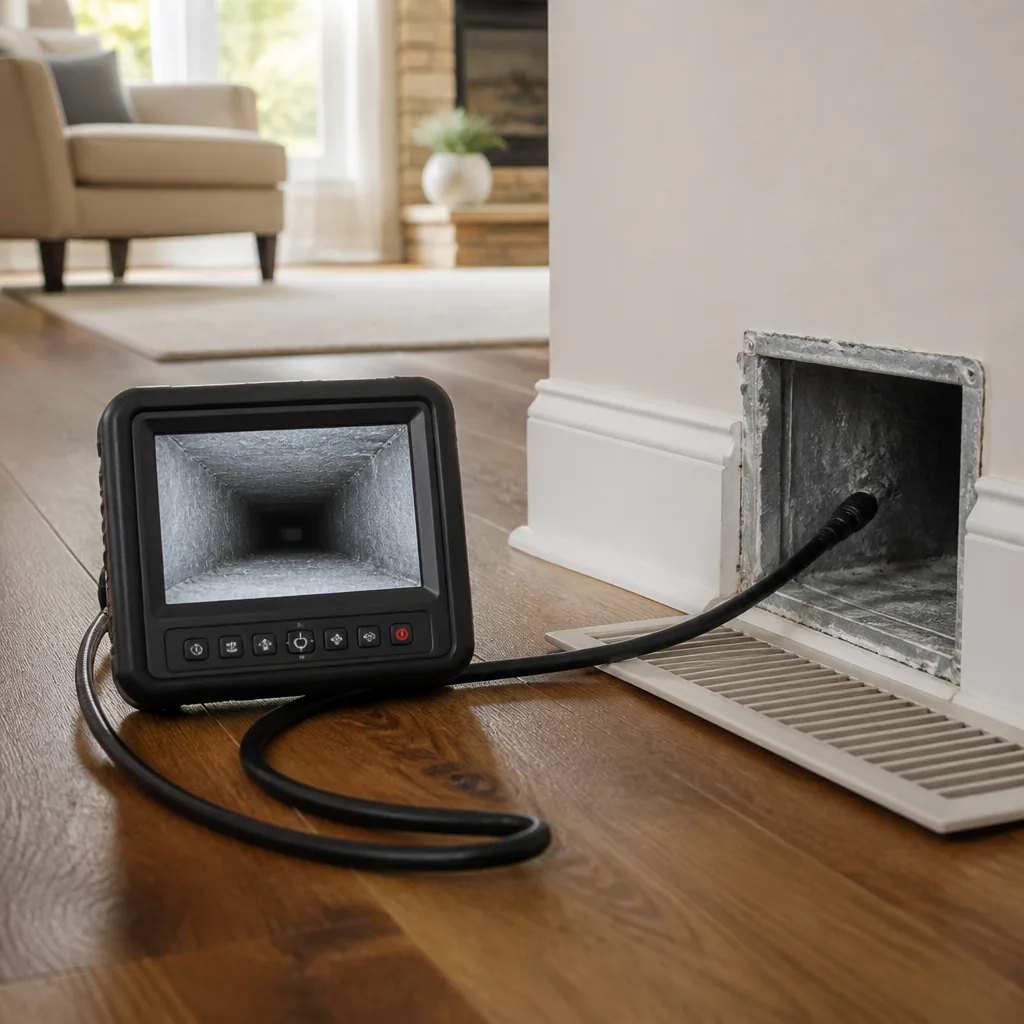 Camera inspection
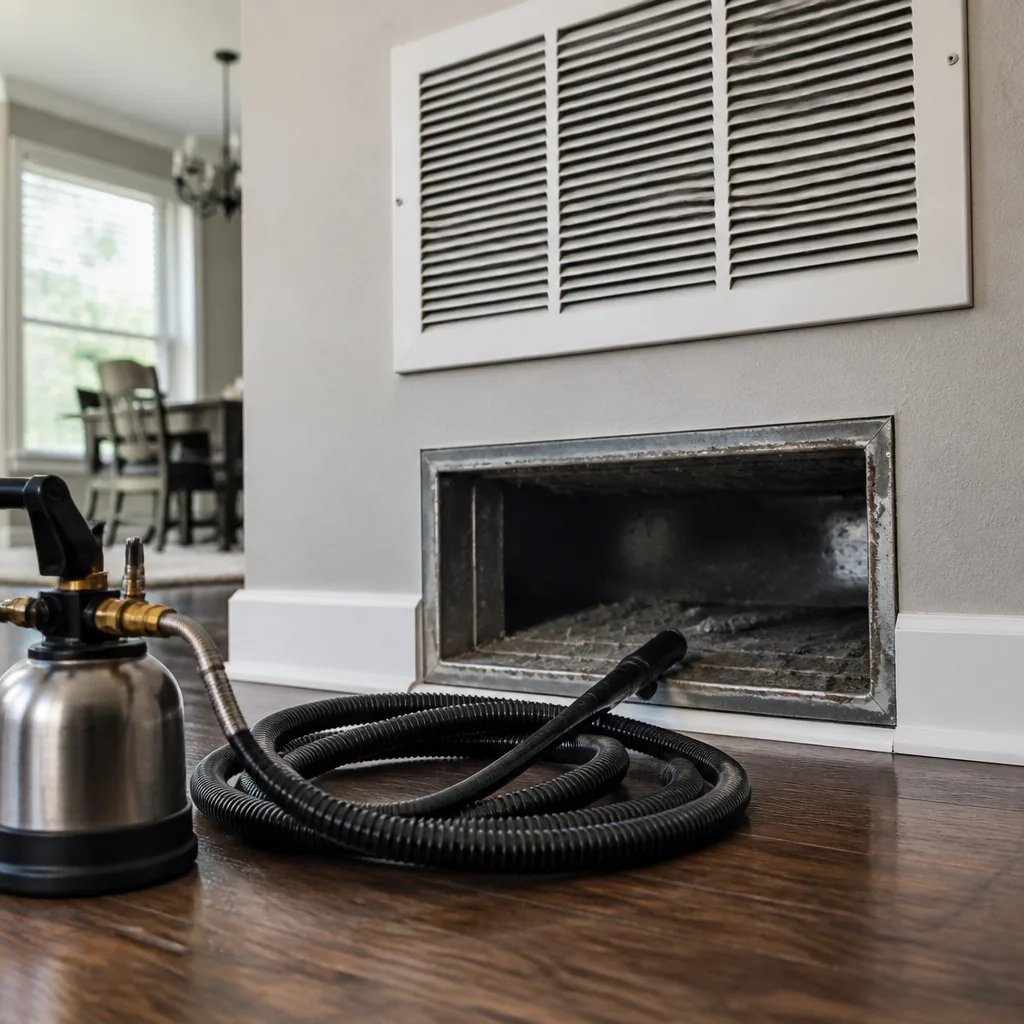 Sanitizing & deodorizing
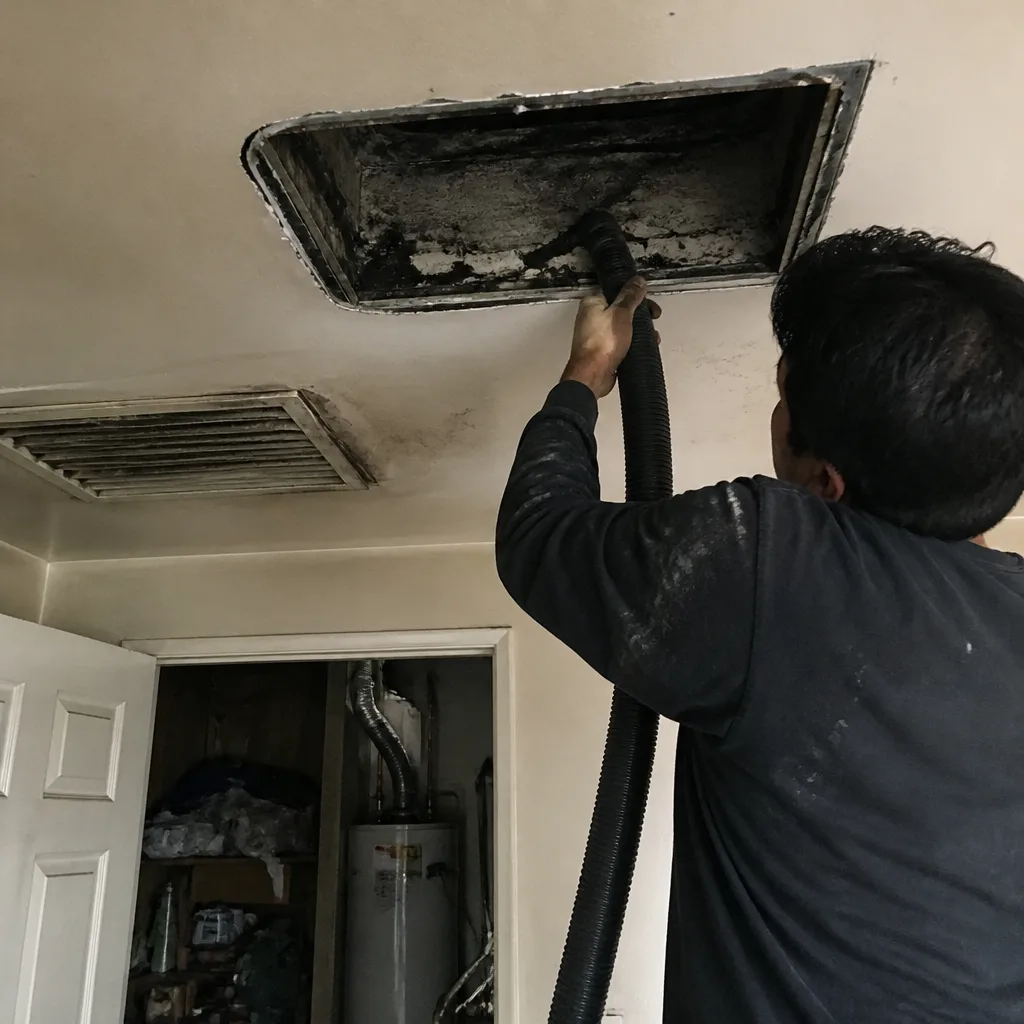
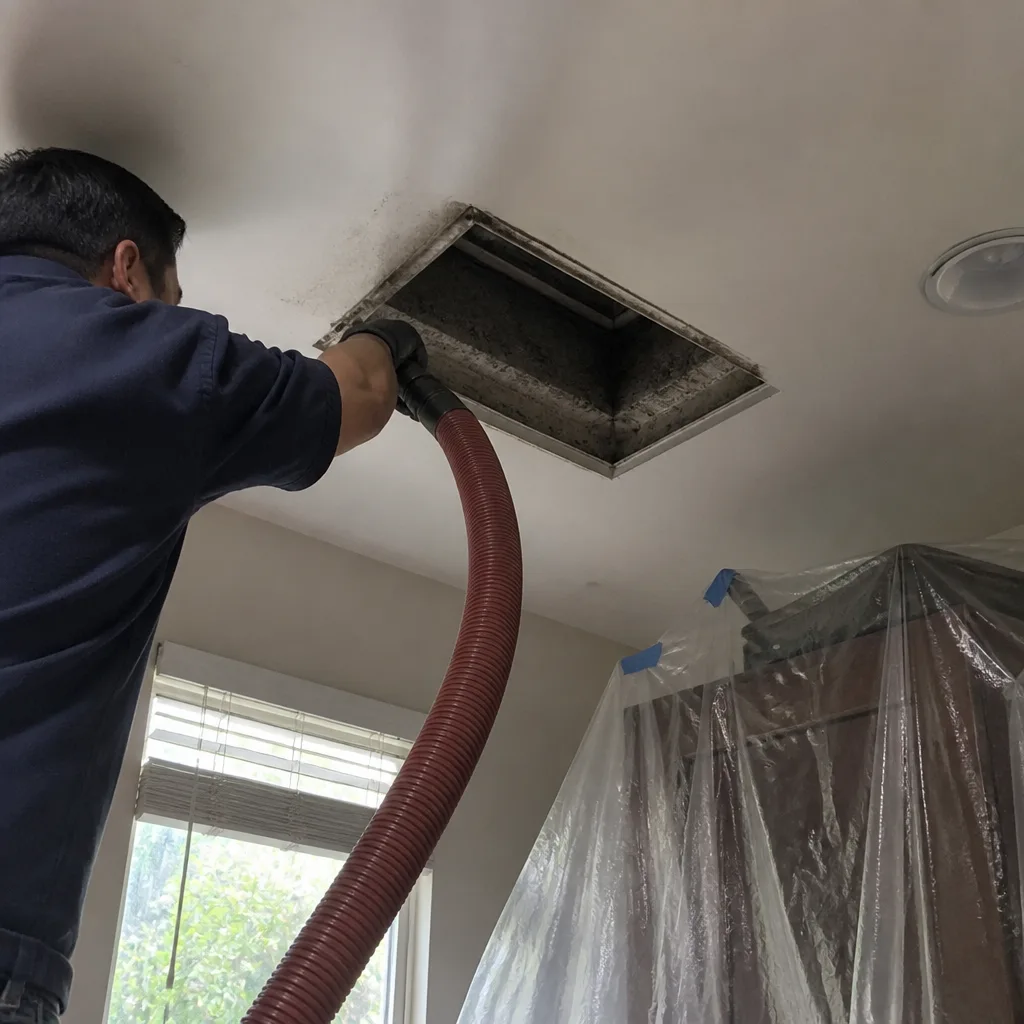
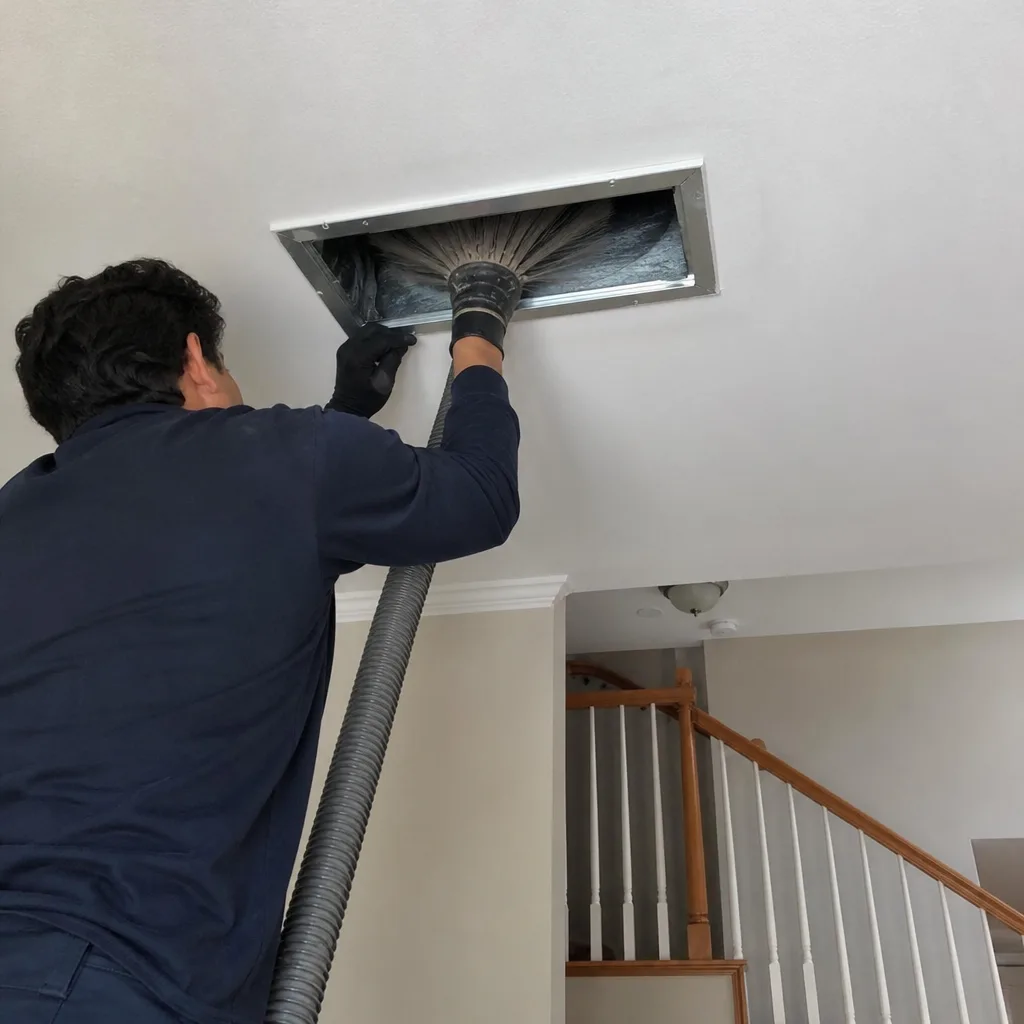
Whole-system duct and dryer vent check with before-and-after photos - you see exactly what came out of your vents
That "$99 whole-house special" is a bait ad - the real number appears once they are in your hallway, or the "clean" is a shop-vac at the register. We photograph the inside of your ducts before and after instead.
Air Duct Cleaning Permits, Codes & Inspections in CA: What You Need to Know
Here’s a fact that surprises most Mountain View homeowners: the State of California does not license air duct cleaners. Not one agency in Sacramento issues a “duct cleaning license.” What does happen, though, is that the moment a duct cleaning job crosses from cleaning into mechanical repair, you’ve entered territory governed by California’s Mechanical Code, specifically Title 24, Part 4, enforced locally. This guide maps exactly where that legal line sits, what permits actually cost in Santa Clara County, how NADCA standards operate as the industry’s de facto rulebook, and what contractors are required to disclose when chemicals enter the picture. If you’re planning duct work in Mountain View, read this before you sign anything.
Styles & brands we work with
- Whole-home duct cleaning
- Dryer vent cleaning
- Camera inspection
- Sanitizing & deodorizing
Quick Answer
Air duct cleaning itself requires no permit in California because no state agency licenses duct cleaners. However, if the job involves mechanical repairs, ductboard replacement, new liner installation, or modifications to your plenum, that work may require a permit under the California Mechanical Code (Title 24, Part 4), enforced by your local building department. NADCA’s ACR 2021 standard effectively functions as the industry code in the absence of state licensing, and chemical biocide applications trigger separate OSHA disclosure requirements.
Table of Contents
- Cleaning vs. Repair: Where California’s Legal Line Sits
- What Santa Clara County Building Records Show About Duct Permits
- NADCA ACR 2021: The De Facto Code When No License Exists
- OSHA, Biocides, and What Contractors Must Disclose in California
- Asbestos-Era Flex Duct and Vermiculite: When to Stop and Call the Building Department
- Mountain View-Specific Permit Considerations
- Common Mistakes to Avoid
- When to Call a Professional
- Frequently Asked Questions
- The Bottom Line
Cleaning vs. Repair: Where California’s Legal Line Sits
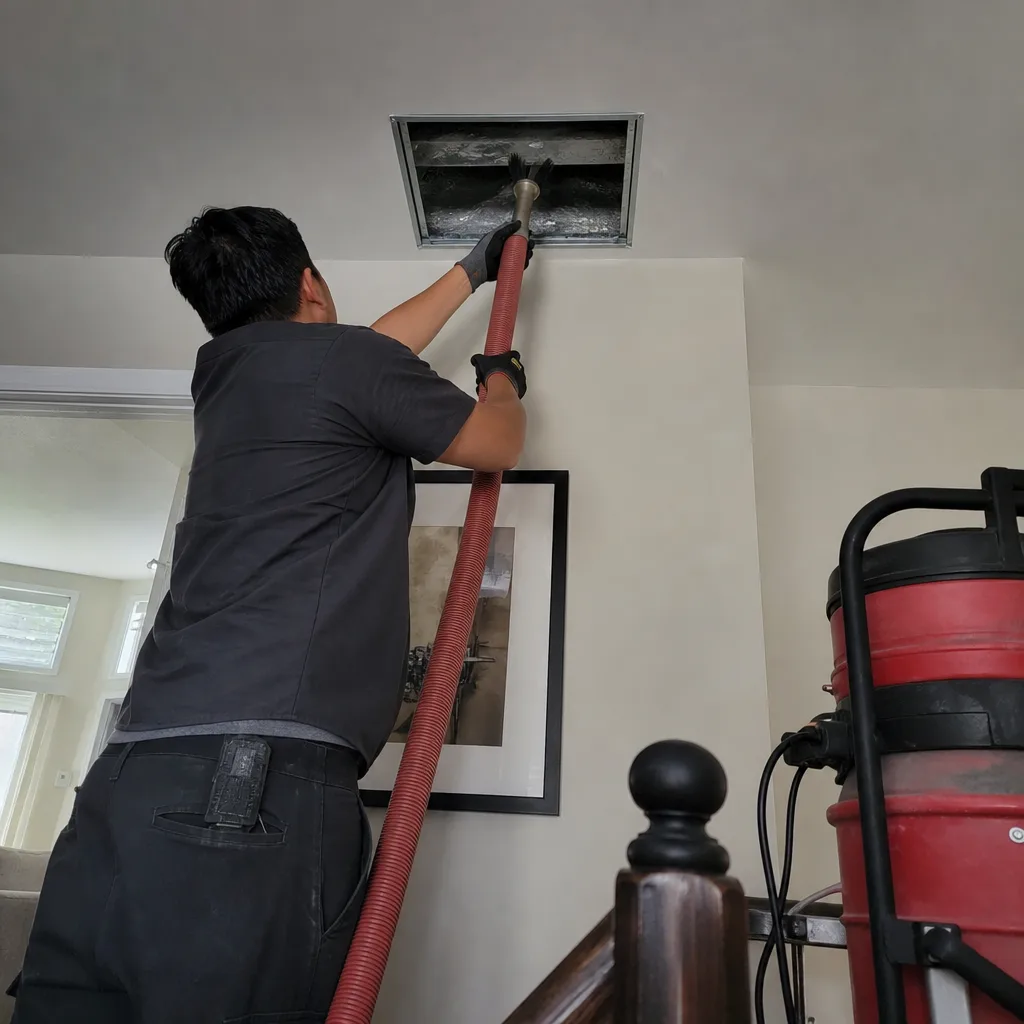
California’s mechanical code draws a clear distinction between maintenance and modification, and that distinction determines whether a permit is required. Cleaning is maintenance. It’s what happens when you run a rotating brush through duct walls, apply negative pressure to pull loosened debris out, and capture contaminants in a HEPA-filtered containment system. No permit, no license, no inspection. The moment a technician opens an air handler cabinet, cuts into a plenum, replaces a section of ductboard, or installs a new liner, the job has crossed into mechanical work. That work requires a C-20 warm-air heating, ventilating, and air-conditioning contractor’s license, and depending on the scope, a permit through the local building department.
In our experience serving Mountain View homes, most of the confusion comes from the way jobs expand midstream. A homeowner schedules cleaning and discovers during the inspection that a section of flex duct has torn, a plenum seam has separated, or the return drop is disconnected. At that point, the cleaner either stops and recommends a licensed mechanical contractor, which is the correct path, or proceeds with what amounts to unpermitted repair work. The second outcome is more common than most people want to know. That’s one reason we built Air Duct Repair in Mountain View as a distinct service line, so the boundary stays explicit rather than getting blurred in the middle of a job.
What counts as repair under the code:
- Replacing a section of rigid duct or flex duct that’s more than minor taping or sealing.
- Installing or replacing duct liner, including acoustic or thermal liner inside a plenum or trunk line.
- Modifying a plenum, whether supply or return, including adding takeoffs or changing dimensions.
- Reattaching a disconnected return drop or supply trunk if the connection itself is structurally altered.
- Replacing the air handler cabinet connection or any component between the air handler and the duct run.
What stays in the unregulated cleaning category:
- Rotating brush agitation of duct walls using a professional-grade system like Rotobrush or Nikro.
- Negative pressure extraction with HEPA containment via Abatement Technologies filtration units.
- Sanitizing fog or spray application using a product registered solely for surface treatment, provided no structural alteration occurs.
- Access hole cutting for cleaning access, but only if the hole is properly patched and resealed to code-equivalent condition.
- Dryer vent cleaning, which operates under a separate set of fire-prevention concerns rather than mechanical code.
The practical takeaway for a Mountain View homeowner: before you sign a contract, ask one question: “Does this job involve any structural repair or modification, or is it cleaning only?” If the answer is cleaning only, no permit is involved. If the answer hedges, get it in writing.
What Santa Clara County Building Records Show About Duct Permits
Santa Clara County, which includes Mountain View, has historically treated duct repair and replacement as mechanical work subject to permit requirements under the California Mechanical Code. Building department records in the county reflect a pattern: permits for residential duct replacement are relatively uncommon in older housing stock because much of the work gets performed without going through the permit counter. That’s not a judgment on the contractors involved; it’s a reflection of how rarely homeowners know to ask for one. But when a permit is pulled, the typical fee structure in Santa Clara County for a residential mechanical permit covering duct work runs in the low to mid hundreds of dollars, depending on the valuation of the work, with plan review fees separate. For a straightforward duct replacement on a single-family Mountain View home, you’re looking at a permit fee plus the cost of the licensed C-20 contractor pulling it.
What county records consistently show is that enforcement actions, when they occur, tend to cluster around three triggers. The first is a neighbor complaint after a prolonged contractor presence on the street. The second is a home sale inspection where an appraiser or home inspector flags recent unpermitted mechanical work. The third is an insurance claim after a fire or water-damage event where an adjuster asks for the permit history. None of these are good times to discover that your duct work should have been permitted two years ago. Mountain View’s own planning and building division operates its own permit counter, and single-family homes in the city follow the same mechanical code path as the rest of the county.
Here’s a numbered step-through of what a legitimate permitted duct repair in Mountain View looks like from start to finish:
- Contractor scope definition: The contractor documents precisely what will be replaced, modified, or repaired. Vague scope language is a red flag.
- Permit application: The contractor or homeowner files a mechanical permit application with the City of Mountain View or Santa Clara County, depending on jurisdiction. This includes the scope and valuation.
- Plan review (if required): Complex duct modifications may trigger plan review. Straight replacement of equivalent duct sizes typically passes over the counter.
- Inspection scheduling: After the work is completed, the contractor calls for a rough inspection before insulation or wall finishes are replaced, and often a final inspection after the system is sealed and operating.
- Final sign-off: The inspector confirms the work matches the permitted scope and meets the CMC requirements for support, sealing, and materials. The permit is closed.
If a duct cleaning company in Mountain View tells you they handle repairs but can’t produce a C-20 license or won’t discuss permits, you’ve received the information you need. We tell every client the same thing: Air Duct Cleaning in Mountain View is a maintenance service. When the job crosses into structural work, we’re direct about what that means under California law, and we route the repair work through the proper channel.
NADCA ACR 2021: The De Facto Code When No License Exists
When a state doesn’t license an industry, voluntary standards from an industry body become the functional replacement. For air duct cleaning, that body is NADCA, the National Air Duct Cleaners Association, and its ACR 2021 standard (Assessment, Cleaning, and Restoration of HVAC Systems) is the document that reputable companies cite in contracts. ACR 2021 covers the full scope: how to assess system condition before work begins, what cleaning methods are acceptable, how to verify that cleaning actually removed what it was supposed to remove, and what documentation the contractor should hand over when the job is done. It’s not a law, but it’s the closest thing this industry has to one, and in California’s regulatory vacuum, it’s what separates companies that can prove their work from companies that can’t.
What ACR 2021 actually requires, in practical terms:
- Pre-cleaning inspection: A documented assessment of the system before work begins, including visual inspection of accessible duct surfaces and equipment condition.
- Contaminant removal verification: A post-cleaning inspection to confirm that visibly accumulated dust and debris is removed from all cleaned surfaces. This isn’t optional; it’s the core of the standard.
- Source containment: During cleaning, the system must be maintained under negative pressure so that dislodged contaminants are captured, not released into the living space. This is where HEPA filtration matters.
- Documentation: The contractor provides a written report of what was done, what was found, and what condition the system was left in.
- Chemical use disclosure: Any chemical product used inside the duct system must be disclosed in writing, along with the product name, manufacturer, and application method.
Here’s how to cite NADCA ACR 2021 in a contractor agreement, which is the single most effective way to use the standard without a lawyer. Insert language like this: “Contractor agrees to perform duct cleaning services in accordance with NADCA ACR 2021, including documented pre- and post-cleaning inspection, negative-pressure containment during cleaning, and written disclosure of any chemical products applied to duct surfaces.” It’s plain English, it’s enforceable in a California contract, and it immediately signals to the contractor that you know the standard exists. A contractor who balks at that clause is telling you something useful about how they plan to work.
We use professional-grade equipment on every job, specifically Rotobrush and Nikro cleaning systems paired with Abatement Technologies HEPA filtration, because the NADCA standard is equipment-sensitive. You cannot meet the negative-pressure and containment requirements of ACR 2021 with a consumer shop vacuum and a drill attachment. The machines either pull enough air to maintain containment or they don’t. In Mountain View’s older homes, where duct runs are long and often leaky, that negative pressure differential is the difference between a job that actually cleans the system and one that just rearranges the dust. We clean the duct. We also fix it if it’s broken, and fixing it properly means the Air Duct Repair work is done to the same standard, not as an afterthought.
OSHA, Biocides, and What Contractors Must Disclose in California
California runs its own occupational safety agency, Cal/OSHA, and federal OSHA standards still apply to workplaces across the state, including homes where a contractor’s employees are working. When a duct cleaning company applies chemical biocides or encapsulants inside a duct system, the employees doing the application are exposed to those chemicals, which triggers OSHA’s Hazard Communication Standard (29 CFR 1910.1200). That standard requires employers to maintain Safety Data Sheets for every chemical used, train workers on hazards and handling, and provide appropriate PPE. What it does not require, and what too few homeowners realize, is proactive disclosure to the homeowner. Unless the contractor chooses to tell you, or unless you ask, you may never learn what was fogged into your duct system.
In our experience serving Mountain View, the chemical question is the one most commonly overlooked. Homeowners ask about price, about how long the job takes, about whether the dryer vent is included. Almost no one asks what the sanitizer is. Here’s what California homeowners should require in writing before any chemical is used inside their ducts:
- Product name and manufacturer, so you can look up the SDS yourself.
- EPA registration number, confirming the product is registered for the claimed use.
- Application method: fog, spray, or direct surface application.
- Active ingredients, particularly if anyone in the home has respiratory sensitivities or chemical intolerance.
- Re-entry guidance: how long the space should be ventilated before occupants return.
There’s a parallel here for anyone selling or servicing indoor air quality equipment. Companies that sell Honeywell and Aprilaire air quality products, as we do, are dealing with systems that treat air continuously, not chemicals applied once. The distinction matters. A fog-and-run biocide application is a one-time chemical event with liabilities and disclosure gaps. A properly installed media air cleaner or whole-home filtration system is a mechanical solution with a different risk profile entirely. If you want cleaner air to stay that way in your Mountain View home, a Honeywell or Aprilaire solution integrated into the duct system does more than any single cleaning visit, and it does it without introducing chemistry into the air stream.
One specific California angle many contractors don’t volunteer: the state’s Proposition 65 warning requirements. If a chemical product contains a substance on the Prop 65 list at a level requiring warning, the company applying it in your home may have a legal obligation to provide notice. It’s not our role to tell you which products trigger this, but it is a question worth asking, and it’s one that a competent contractor should be able to answer without hesitation.
Asbestos-Era Flex Duct and Vermiculite: When to Stop and Call the Building Department
Mountain View’s housing stock includes a significant number of homes built between the 1950s and the late 1970s, and that era carries specific duct-related risks that have nothing to do with cleaning equipment and everything to do with building materials. The two big ones: asbestos-containing duct insulation and vermiculite insulation in attics where ductwork runs. If your Mountain View home was built before roughly 1986 and the ducts appear to have a white or gray paper-like wrap, or if the attic contains pebble-like vermiculite insulation, you need a different set of questions before anyone touches the system.
Here’s the sequence that matters:
- Visual screening first: If duct surfaces show fibrous, papery, or woven-looking wrap material that’s degrading, stop. Do not schedule cleaning.
- Testing before touching: A California-certified asbestos consultant can sample suspect material. This costs money and takes time, and it’s the only reliable way to know what you’re dealing with.
- Building department call: If testing confirms asbestos-containing material, contact the Mountain View building department before proceeding. Asbestos removal requires a licensed abatement contractor under Cal/OSHA rules, not a duct cleaner.
- Vermiculite rule of thumb: Assume vermiculite from pre-1990 sources contains asbestos. The EPA’s guidance is unambiguous: do not disturb it. Duct cleaning in a vermiculite-filled attic should not proceed until the insulation situation is addressed.
- Document everything: Keep test results, abatement records, and any building department correspondence. They matter for resale disclosure.
This is the point where the regulatory gap we discussed earlier becomes genuinely dangerous. Because California doesn’t require duct cleaners to hold a license, there’s no regulatory body ensuring that a cleaner called to a 1960s Mountain View ranch house will recognize asbestos-era materials and stop. The homeowner becomes the project manager by default. We train our crews to identify suspect materials and to stop the job when something doesn’t look right. In that scenario, you’re not getting a cleaning that day; you’re getting a referral to a testing lab and a licensed abatement contractor, because the right answer is not “clean around it.”
For homeowners with newer systems, or with confirmed asbestos-free older systems, the path is straightforward. Professional cleaning with proper negative-pressure containment, using equipment like our Rotobrush and Nikro systems with Abatement Technologies HEPA filtration, is a safe and effective maintenance step. The key is knowing which category your home falls into before the appointment, not discovering it mid-job.
Mountain View-Specific Permit Considerations
Mountain View sits in Santa Clara County, and homes here run the gamut from 1940s bungalows in the Old Mountain View neighborhood to 2010s townhouses near downtown transit corridors. That spread matters for duct work decisions in a few concrete ways. Older homes in neighborhoods like Monta Loma and Blossom Valley are prime candidates for asbestos-era materials and accumulated debris in original ductwork that’s now five or six decades old. Newer construction, particularly the multifamily buildings along El Camino Real and the developments near Shoreline, generally has modern flex duct and better sealing, but that doesn’t mean cleaning is unnecessary; it means the permit calculus is simpler because structural repair is less likely.
Climate shapes the demand pattern too. Mountain View doesn’t have the extreme heat of the Central Valley or the persistent coastal damp of San Francisco. What it has is long stretches where windows stay closed and HVAC systems cycle consistently. That consistent cycling, combined with the valley’s pollen patterns in spring, means ducts in Mountain View accumulate from regular use, not from neglect. The recommendation that follows from that: cleaning intervals are driven by use and environmental load, not by a calendar, and a system that’s been in place for three or four years in a heavy-use household is going to look different than a lightly used system of the same age.
One more Mountain View-specific note: the city enforces its own noise ordinances, and permitted mechanical work adjacent to property lines can trigger scrutiny if neighbors complain. That’s another reason to route repair work through the proper permit channel, because a permitted job with defined hours is less likely to generate friction than an unpermitted one where the contractor is trying to move fast and stay under the radar. We’ve seen this play out in the denser residential pockets near downtown Mountain View, where homes sit close together and noise travels.
For the full picture on what’s involved in a proper cleaning in this city, our air duct cleaning page covers the Mountain View-specific scope. And because dryer vents are the other half of the duct risk equation, especially in older homes where vent runs are long and often clogged, our dryer vent cleaning service addresses that side of the system explicitly.
Common Mistakes to Avoid
- Believing a duct cleaner can fix a broken duct under their cleaning contract. Cleaning is not repair. If a duct is disconnected, torn, or collapsed, that’s mechanical work requiring a C-20 license and possibly a permit. Ask the contractor to define their scope in writing before the job starts.
- Signing a contract with no NADCA reference. In California’s licensing gap, the NADCA ACR 2021 standard is your only enforceable benchmark. If the contract doesn’t cite it, add the language yourself or walk away.
- Allowing chemical application without a written disclosure. Under Cal/OSHA rules, employers must maintain SDS sheets, but nothing forces proactive disclosure to you. Demand the product name, EPA registration, and re-entry guidance before any biocide or sanitizer is used.
- Ignoring asbestos risk in a pre-1986 Mountain View home. Old duct wrap and vermiculite insulation are not things to clean through. Testing first, then the building department, then licensed abatement if confirmed.
- Assuming a permit-driven job will be more expensive without checking. In Santa Clara County, a mechanical permit for residential duct work is a modest line item against the cost of a proper repair. The real cost is discovering unpermitted work at resale.
- Treating all Mountain View duct work as interchangeable. A 1960s Monta Loma home and a 2015 downtown townhouse have completely different duct risk profiles. Experience matters, and so does a contractor who adjusts their approach rather than applying a one-size-fits-all bid.
- Skipping the post-cleaning verification step. ACR 2021 requires documented visual inspection after cleaning. If your contractor can’t show you what came out and what the surfaces look like after, you don’t know if the cleaning worked. Abatement Technologies HEPA containment is the tool; the verification is the proof.
When to Call a Professional
You should pick up the phone when the questions here stop being hypothetical and start applying to your house. If you have a Mountain View home built before 1986 and you’ve never had the duct materials assessed, call. If you know your ducts need repair, not just cleaning, and you want a contract that respects the legal line between the two, call. If a previous cleaner fogged something into your ducts and you’re now wondering what it was and whether it was a good idea, call. If your dryer vent has never been serviced and the dryer now takes two cycles to dry a load, that’s a separate fire-prevention issue that deserves its own attention. We don’t guess at any of this. Duct Cleaning Mountain View offers free estimates in Mountain View, and we’ll tell you what we’re seeing, what it means, and whether the next step is a cleaning, a repair, or a call to the building department. Reach us at (866) 528-3938.
Frequently Asked Questions
No permit is required for cleaning alone because California does not license duct cleaners and cleaning is classified as maintenance. If the job expands into mechanical repair, duct replacement, or liner installation, that work falls under the California Mechanical Code and may require a permit through your local building department, including in Mountain View.
The California Mechanical Code, which is Title 24, Part 4 of the California Code of Regulations, governs duct repair, replacement, and modification. Local jurisdictions like Mountain View enforce this code through their own building departments, and the work must be performed by a contractor holding the appropriate C-20 warm-air heating, ventilating, and air-conditioning license.
No, NADCA certification is not legally required anywhere in California. However, because no state license exists for duct cleaners, NADCA’s ACR 2021 standard functions as the industry’s accepted benchmark for proper cleaning methods, containment, and verification. Citing it in your contract is the most effective way to set an enforceable quality standard.
Cleaning and repair are legally distinct in California. A cleaner without a C-20 mechanical contractor’s license cannot perform structural duct repairs, including reconnecting a separated return drop or replacing a damaged section. In Mountain View, that repair work should be routed through a licensed contractor, with permits if the scope triggers them. The honest answer you’ll hear from us is: we clean the duct, and if it’s broken, we route the repair through the proper channel.
Visual identification isn’t reliable, but homes built before roughly 1986 with white or gray paper-like wrap on duct surfaces should be treated as suspect. The next step is sampling by a California-certified asbestos consultant. If testing confirms asbestos, contact the Mountain View building department before any duct work proceeds, because licensed abatement is required, not cleaning.
The spread comes from equipment, process, and scope. A professional job runs negative-pressure containment with HEPA filtration, like our Rotobrush and Nikro systems paired with Abatement Technologies units, and includes pre- and post-cleaning inspection per NADCA ACR 2021. A cheap quote often means consumer-grade equipment, no containment, and no verification. You’re buying a process, not just a result. Call (866) 528-3938 for a free estimate that specifies exactly what we’ll do.
The Bottom Line
California’s regulatory vacuum around duct cleaning is a fact, and it’s not going to change because of anything you or I do. What changes is how you operate inside that vacuum. You ask whether the job crosses from cleaning into repair. You cite NADCA ACR 2021 in the contract. You demand disclosure on any chemicals. You treat pre-1986 Mountain View duct systems with the asbestos caution they deserve. You verify that the cleaning actually cleaned. Do those five things and you’ve protected yourself better than any state license could. Duct Cleaning Mountain View is here to do the work properly: professional-grade equipment, real containment, and straight answers about where the legal lines sit. For a free estimate in Mountain View, call (866) 528-3938 or visit our Duct Cleaning Mountain View home page to see the full scope of what we do.
Written by the team at Duct Cleaning Mountain View, serving Mountain View since 2015.
See the difference
 Before
 After
 Before
 After
 Before
 After