
Last updated November 2, 2026
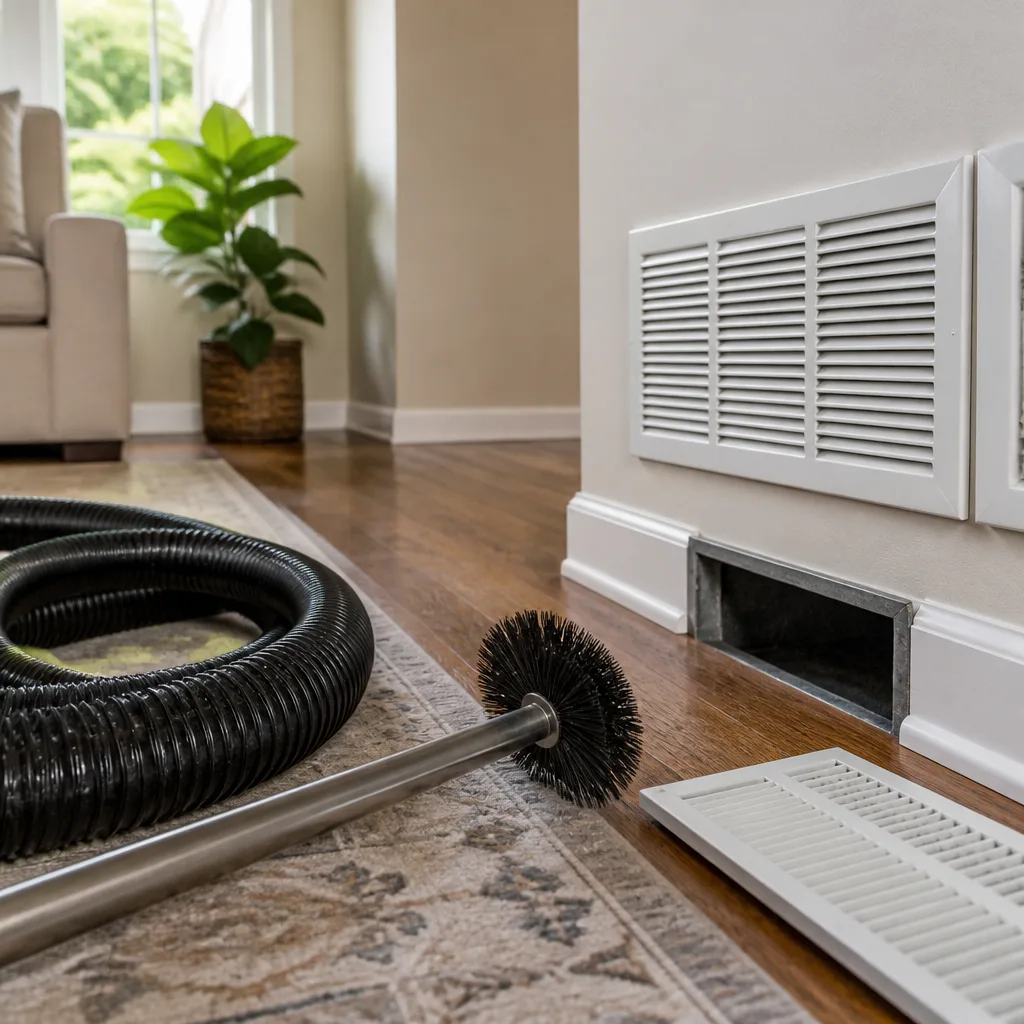 Whole-home duct cleaning
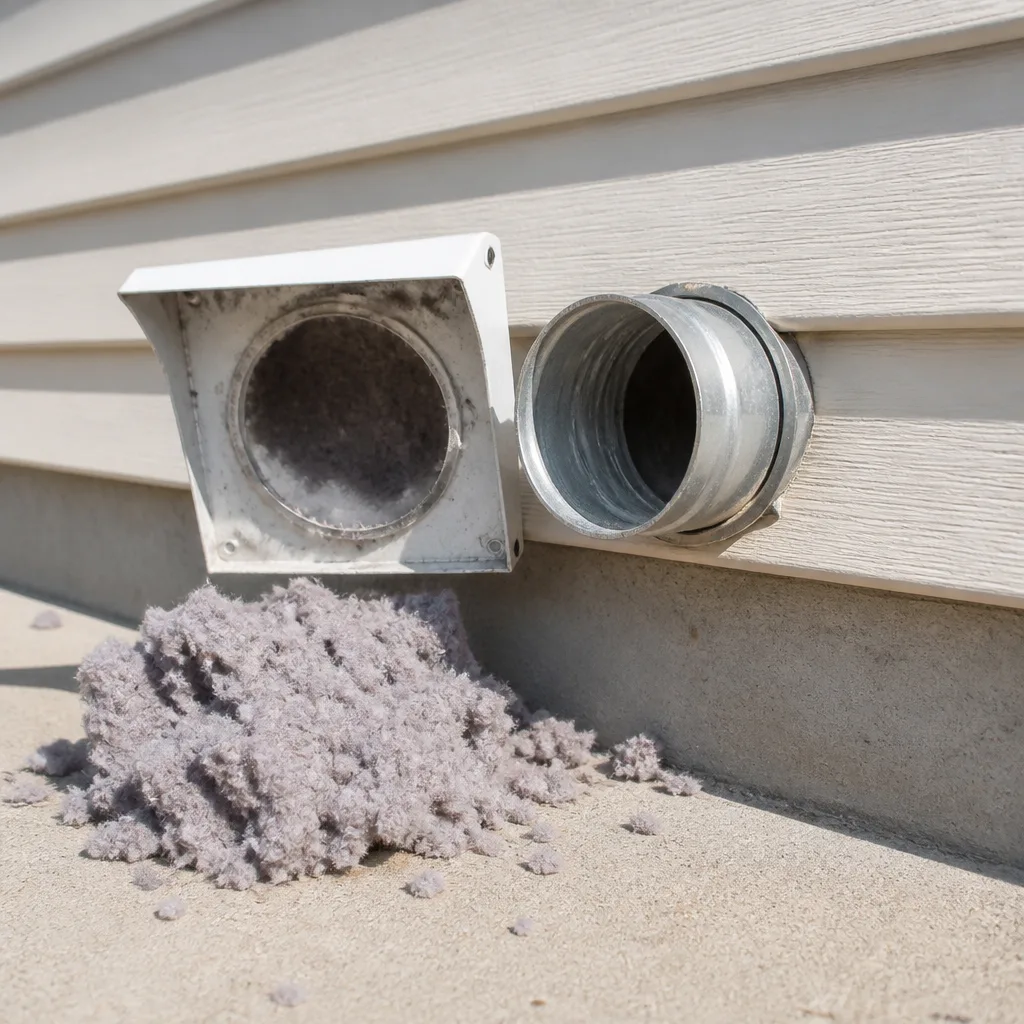 Dryer vent cleaning
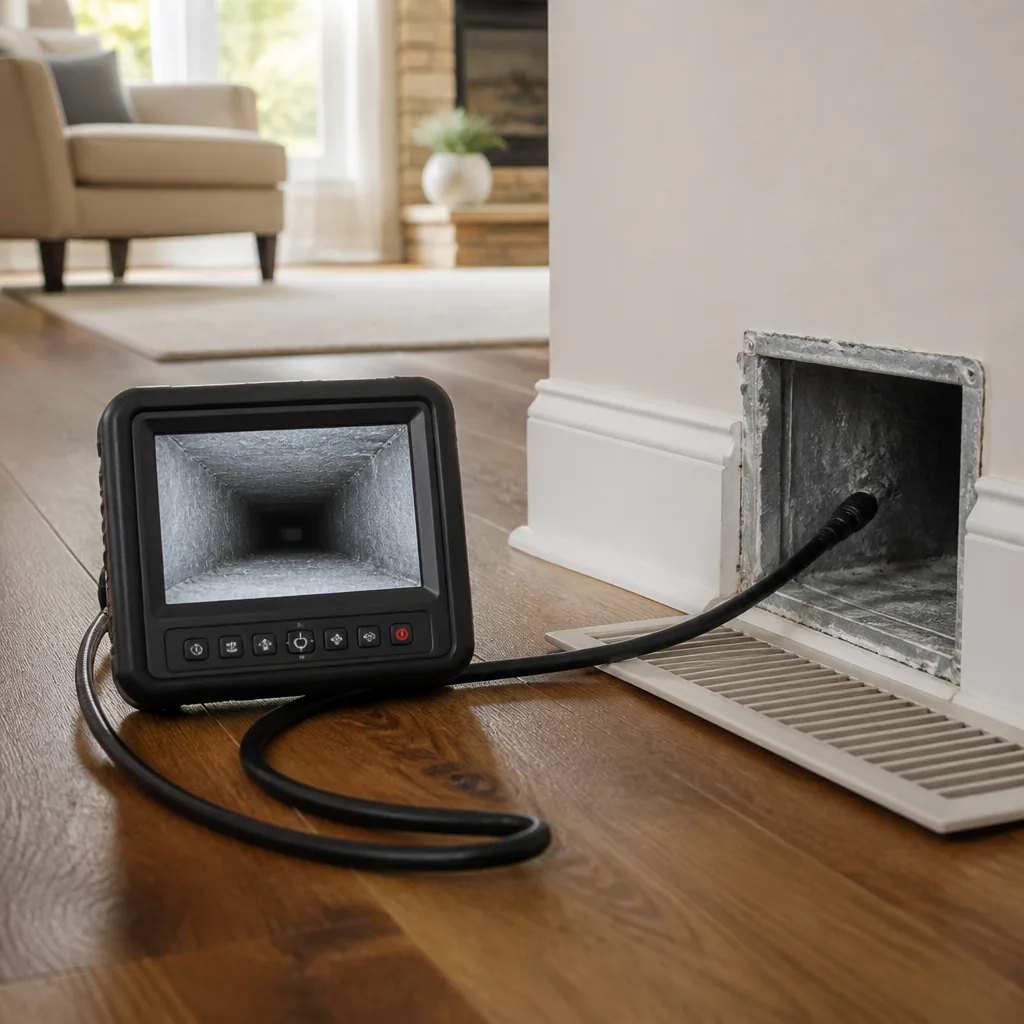 Camera inspection
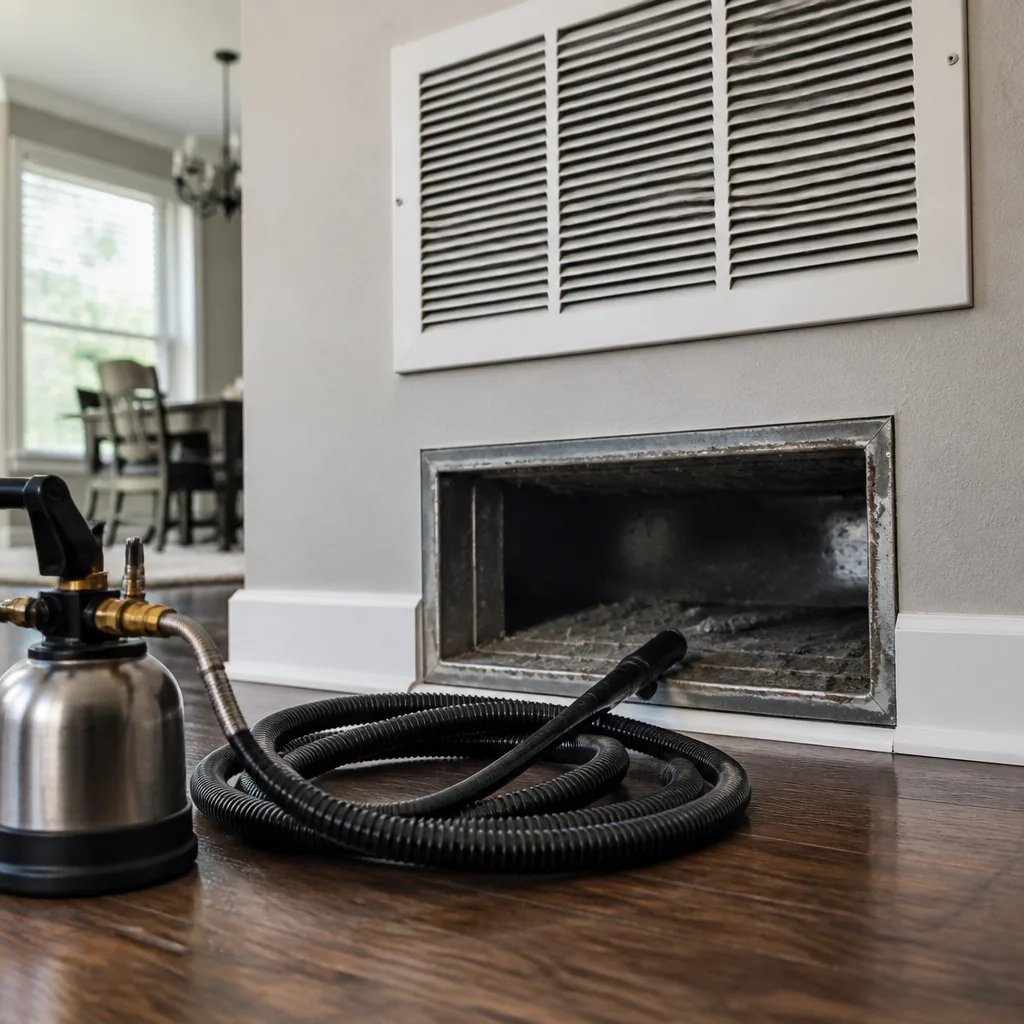 Sanitizing & deodorizing
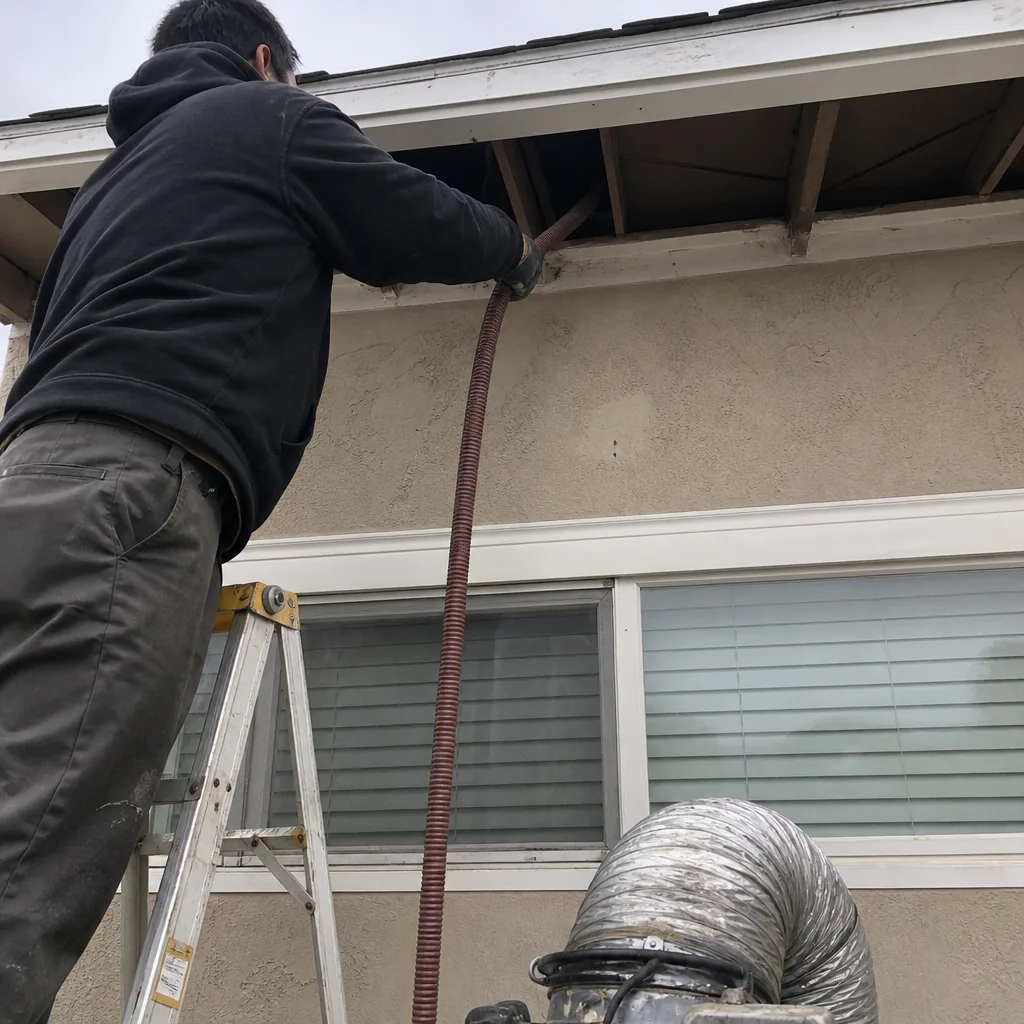
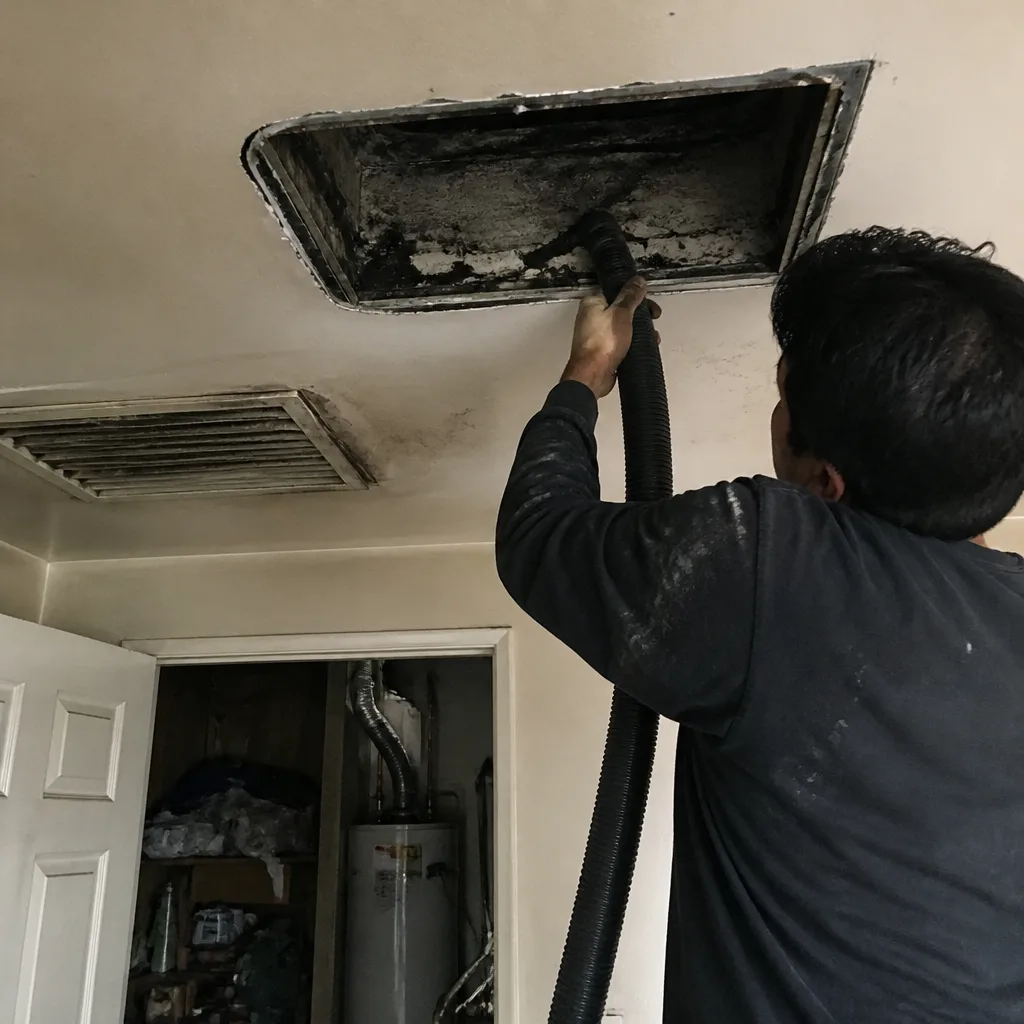
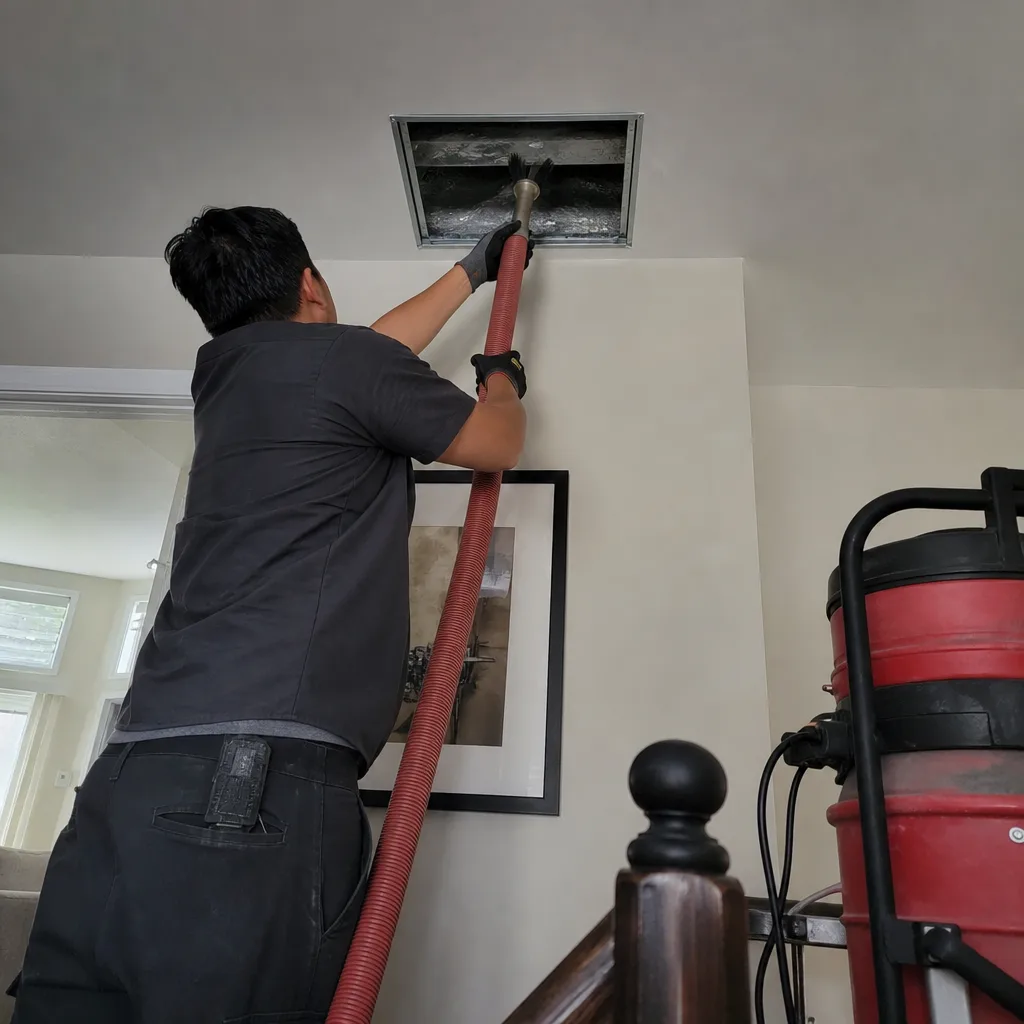
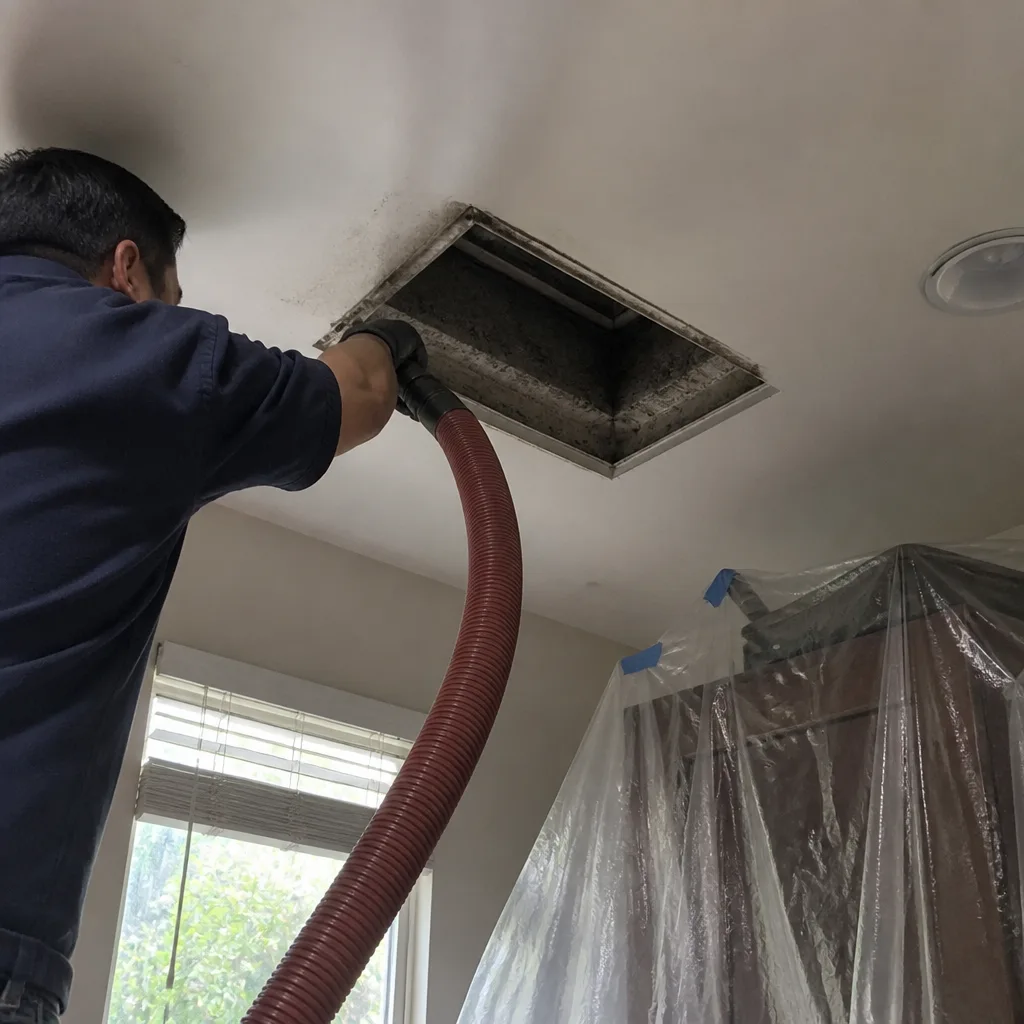
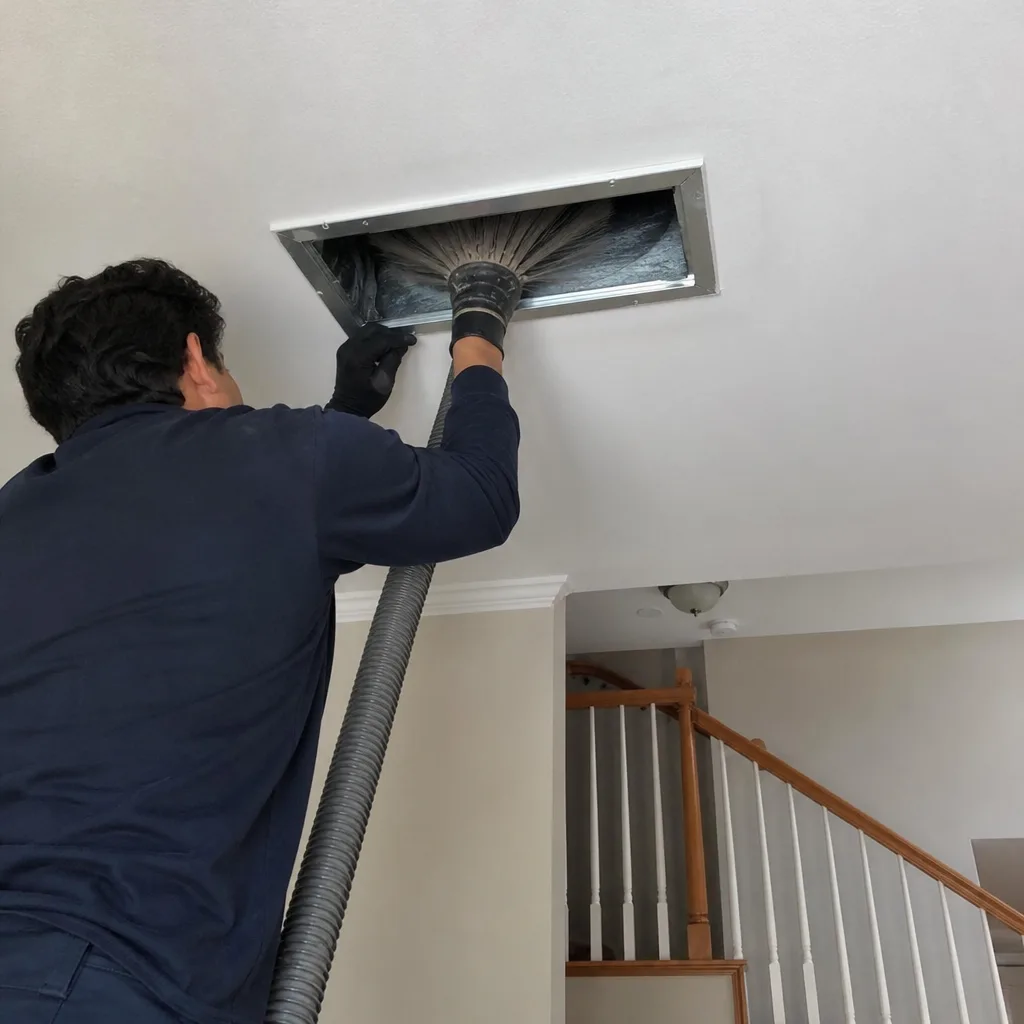
Whole-system duct and dryer vent check with before-and-after photos - you see exactly what came out of your vents
That "$99 whole-house special" is a bait ad - the real number appears once they are in your hallway, or the "clean" is a shop-vac at the register. We photograph the inside of your ducts before and after instead.
Choosing the Right Air Duct Cleaning Brand: A Buyer’s Guide for Mountain View
Most homeowners choose a duct cleaning company the way they choose a pizza place: by reviews and price. The companies themselves know this, which is why equipment quality is the last thing most of them mention in their marketing. That silence is a signal. In duct cleaning, “brand” rarely means a logo or a jingle. It means the vacuum system, agitation tools, and filtration equipment the crew actually unloads from the van. Those brands tell you more about the result you’ll get than any four-star review. This guide explains how to read that signal, what specific equipment names mean, and how to use those questions to shop smarter in Mountain View, where older homes, dry climate, and seasonal allergens make duct condition matter more than most contractors admit.
Styles & brands we work with
- Whole-home duct cleaning
- Dryer vent cleaning
- Camera inspection
- Sanitizing & deodorizing
Quick Answer
The right air duct cleaning brand for your Mountain View home isn’t a company logo. It’s the equipment a contractor actually arrives with. Look for professional-grade systems from Rotobrush, Nikro, RamAir, and Abatement Technologies rather than consumer shop vacuums or hardware-store attachments, and ask specifically about hose diameter, CFM ratings, and whether they inspect with a camera before and after. A company that names its equipment and shows you footage is a different category from one that quotes per-vent pricing over the phone.
Table of Contents
- Why Equipment Brand Matters More Than Company Brand
- Professional-Grade vs Consumer-Grade: The Gap Is Wider Than You Think
- Truck-Mounted vs Portable Vacuum Systems: Why It Matters
- CFM Ratings and Hose Diameter: The Numbers That Predict Thoroughness
- Agitation Tools: What Actually Loosens Debris From Duct Walls
- The Inspection Camera Question: Why Before and After Footage Matters
- How to Compare Quotes in Mountain View on Equipment, Not Just Price
- Common Mistakes to Avoid
- When to Call a Professional
- Frequently Asked Questions
- The Bottom Line
Why Equipment Brand Matters More Than Company Brand
Think about the last time you hired a contractor. You probably checked reviews, asked neighbors, and compared estimates. You almost certainly did not ask what brand of saw the carpenter uses. That omission made sense because the skill of the operator matters more than the tool. Duct cleaning is different. The tool is the service. There is no amount of technique that compensates for a vacuum that cannot generate enough negative pressure to pull debris from a 30-foot duct run. In our experience cleaning ducts across Mountain View, from the 1950s ranch homes near Cuesta Park to the newer builds around Whisman Station, the difference between a real result and a surface-level pass is visible in the equipment checklist before the job starts.
Here’s the key distinction. A company brand is a reputation layer. An equipment brand is a capability layer. You want both, but the capability layer is what determines whether dust and debris actually leave your ducts instead of getting stirred up and redistributed. When a contractor names Rotobrush or Nikro instead of “our professional vacuum system,” they are giving you something verifiable. Those are manufacturers with spec sheets, performance curves, and dealer networks. You can look them up. “Professional-grade” with no name attached means nothing.
For Mountain View homeowners, this matters because the local housing stock spans six decades of construction. Duct layouts in a 1962 Eichler-inspired home are very different from those in a 1998 North Whisman townhome or a 2015 apartment building near downtown. Older ductwork often has harder debris: decades of compacted dust, insect casings, and sometimes construction debris from long-forgotten remodels. Newer systems have their own problems, including higher concentrations of drywall dust from initial construction. Equipment capable of handling both extremes is not a luxury. It’s the baseline for doing the job at all.
When we work through our Duct Cleaning Mountain View home service process, the equipment question is where skeptical customers usually start. They want to know what’s actually going to touch their system. That’s the right instinct. The rest of this guide gives you the language to ask the question and interpret the answer.
Professional-Grade vs Consumer-Grade: The Gap Is Wider Than You Think
The most important screening question in duct cleaning is also the simplest: “What equipment do you use?” The answer places a company in one of two categories. The first category names professional systems: Rotobrush, Nikro, RamAir, Abatement Technologies. The second category says something vague about powerful truck-mounted equipment or shows up with a portable unit that looks suspiciously like a shop vacuum with extra hose. The gap between these two categories is not incremental. It is categorical.
Professional duct cleaning systems are built around negative air pressure. That means the machine pulls air out of the duct system at a volume and velocity that dislodges debris and carries it into a collection chamber. The key metric is CFM, or cubic feet per minute. A consumer shop vacuum might move 100 to 150 CFM at the nozzle, and that number drops by more than half when you attach 20 feet of hose. A professional system from Rotobrush or Nikro operates in a different range entirely, often delivering multiple hundreds of CFM at the hose end, even through long duct runs. That pressure differential is what pulls debris off duct walls rather than just tickling it.
One brand we should mention for context is RamAir, another professional-line system used by duct cleaning specialists. You won’t see RamAir in a big-box store. These systems are sold through industry distributors and are priced for companies that do this work every day. The same is true of Abatement Technologies, which makes HEPA filtration equipment designed to capture contaminants instead of recirculating them. When a company runs an Abatement Technologies HEPA unit during cleaning, the dislodged dust goes into a sealed filter system, not back into your living room.
If you’re scheduling Air Duct Cleaning in Mountain View, ask the contractor to name their equipment. A professional who has invested in this gear will answer without hesitation. That answer, or the absence of one, is the single fastest way to sort the specialist from the generalist with a rented machine.
Truck-Mounted vs Portable Vacuum Systems: Why It Matters
The truck-mounted versus portable debate is older than most Mountain View homes. It is also the single most predictive equipment variable for cleaning thoroughness. Let’s explain why, because the answer is more nuanced than “truck-mounted is always better.”
Truck-mounted systems are built around a powerful engine, usually gasoline or diesel, mounted in the vehicle. That engine drives a vacuum blower far larger than anything that fits through a front door. The result is very high CFM and very high static lift, which means the system can pull debris through long hose runs and maintain adequate suction even at the far end of a duct system. For a 3,000-square-foot home with multiple duct branches, a truck-mounted system will generally deliver more consistent performance than a portable unit. The downside is noise, access requirements, and the simple fact that the truck must be parked close enough to run hoses into the home.
Portable systems have improved dramatically in the last decade. A professional portable unit from Rotobrush or Nikro is not a shop vacuum. These are purpose-built machines designed to be carried into a home and connected directly at the duct system. They trade raw power for access and control. In a tight Mountain View driveway, a condo building with parking restrictions, or a home where the furnace is on the second floor, portable systems are often the only practical option. That is not a compromise when the unit is professional-grade.
Here is how to verify what a company uses before you book. Ask these three questions:
- Is your vacuum system truck-mounted or portable? Both are acceptable if the unit is professional-grade, but the answer should be immediate and specific.
- What is the CFM rating at the hose end, not at the blower? This is the number that matters. Blower-end ratings are marketing numbers. Hose-end ratings are performance numbers.
- How do you access the duct system? A professional will describe cutting an access point, connecting the vacuum, and sealing the system during cleaning. A generalist will describe sticking a hose in a register.
In our experience, Mountain View homes with older ductwork, particularly in the Rex Manor and Monta Loma neighborhoods, benefit more from a high-power system because the debris profile is tougher. Newer construction can be effectively cleaned with a quality portable system. The equipment question is not about finding a single right answer. It’s about making sure the contractor has thought about what your specific duct system requires.
CFM Ratings and Hose Diameter: The Numbers That Predict Thoroughness
CFM is the duct cleaning industry’s horsepower rating, and it is the number most companies will not volunteer unless you ask. We want to arm you to ask. Here is a plain-language guide to what the numbers mean.
CFM, or cubic feet per minute, measures air volume movement. Think of it as how much air the system is pulling through the ducts at any given moment. Higher CFM means more debris is being carried out of the system. A cleaning system needs enough CFM to overcome the static pressure created by hose length, bends, and duct diameter. Every foot of hose and every elbow costs you CFM. A system rated at 500 CFM at the blower might deliver only 250 CFM at the end of a 50-foot hose run.
Hose diameter matters just as much. Professional duct cleaning systems typically use 8-inch hoses for main trunk lines and 4-inch to 6-inch hoses for branch lines. Why does diameter matter? Because a larger hose moves more air at lower velocity, which reduces turbulence and lets the vacuum pull debris efficiently. A consumer-grade setup with a 2-inch hose simply cannot move enough air to pull debris from a 6-inch duct. The debris stays in the duct, and the homeowner gets a receipt for a job that did not happen.
Here’s a practical reference point. If a contractor quotes you a CFM number, ask whether that number is measured at the blower or at the hose end. Blower-end numbers are always higher and always less meaningful. A professional should be able to tell you the hose-end performance. If they look confused by the question, that tells you something too.
And here’s a related point that most guides skip. Static lift, measured in inches of water column, matters for debris that is stuck. Years of compacted dust in a Mountain View home with pets can become almost adhesive. High static lift is what breaks that bond and pulls the debris free. Professional systems are engineered for high static lift. Consumer systems are not. When you hear us describe our Nikro and Rotobrush systems, the distinction we care about is not the brand name on the side. It’s the performance specs that name represents.
Agitation Tools: What Actually Loosens Debris From Duct Walls
Vacuum power alone is not enough. Debris that has been adhering to duct walls for years needs to be dislodged before it can be removed. This is where agitation tools come in, and it is another equipment variable that separates professional cleaning from a glorified vacuum pass.
Professional duct cleaning uses a combination of agitation methods. Compressed air whips with rotating heads blast debris loose from duct walls. Motorized brushes with stiff nylon or polypropylene bristles scrub the interior surfaces. In some systems, the brush is integrated with the vacuum head, so debris is dislodged and captured in a single pass. That’s the principle behind Rotobrush systems, which combine agitation and extraction in one tool. The brush loosens, and the vacuum captures immediately behind it.
Why does this matter for Mountain View? The local climate is dry. That might sound like good news for ducts, but dry conditions mean dust stays loose and airborne longer, then settles in layers that can be surprisingly stubborn. Add the pollen counts that spike in spring, and you get a distinctive local debris profile: fine dust, pollen, pet dander, and maybe ash particles from wildfire seasons. Fine debris responds well to air agitation. Compacted debris needs mechanical brushing. A professional contractor has both.
When you ask a contractor about their agitation tools, listen for specific tool types. Compressed air whips. Motorized brush heads. Rotary agitation. If the answer is “we use a high-powered vacuum,” that is a clue. The vacuum was never the question. The question was how they plan to get debris off the duct walls so the vacuum can do its job.
For our Air Duct Repair in Mountain View service, this matters in a different way. Agitation tools sometimes reveal problems: a brush that suddenly meets less resistance may indicate a disconnected duct joint, a crushed section, or a rusted-through return. That’s information we want you to see, because cleaning around a broken duct is worse than not cleaning at all.
The Inspection Camera Question: Why Before and After Footage Matters
Ask a duct cleaning company whether they use a camera to inspect your ducts before and after cleaning. The answer is one of the strongest signals of confidence you can get. Companies that know their process works want to show you the result. Companies that are essentially renting a vacuum and moving air around would prefer you not look too closely.
Professional duct cleaners use CCTV or borescope inspection systems. These are small, high-resolution cameras on flexible cables that can be fed through the entire duct system. A proper inspection should happen before cleaning begins. That’s when the technician looks for duct damage, insulation debris, rodent activity, or other issues that affect the cleaning approach. Then the camera goes back in after cleaning. You should be shown the before and after footage. That is non-negotiable from a professional.
The inspection camera is also where equipment brand starts to matter in a different way. Some inspection systems are integrated with the cleaning equipment. A technician with a Rotobrush system may have an integrated camera option that lets them see the duct surface as the brush passes. That real-time view is valuable for confirming that agitation is actually making contact and that debris has been removed. A separate borescope used before and after achieves a similar result.
For Mountain View homeowners, the inspection question has a local angle. Older homes in the city sometimes have asbestos-containing duct materials from the pre-1980s construction era. A camera inspection before cleaning can reveal damaged or deteriorating duct materials that should be handled carefully or replaced, not agitated. That pre-inspection step is not a waste of time. It’s a safety measure, and it’s one of the reasons we run a camera through every system before we start.
You should also know that after cleaning, the camera serves as your proof of work. Ask to see the before footage and the after footage side by side. If the company refuses or says they do not provide that, treat that answer exactly the way you would treat a restaurant that would not let you see the kitchen.
How to Compare Quotes in Mountain View on Equipment, Not Just Price
When you gather quotes from multiple duct cleaning companies in Mountain View, you’ll see price spreads that look alarming. A $200 quote and a $700 quote for the same house should make you wonder what’s different. Equipment is the most important variable, and it is one most homeowners never ask about. Here is a step-by-step method for comparing quotes on technical grounds.
- Ask each bidder to name their vacuum system, hose diameter, and CFM at the hose end. Write these down. A professional answer will include a brand name and a number. A vague answer is a data point.
- Ask whether they use truck-mounted or portable equipment. Both can work. The answer tells you how they plan to access your system and whether their equipment matches your home’s layout.
- Ask about agitation. Compressed air whips, motorized brushes, or rotary tools. If the answer is just “strong vacuum,” consider that a point against.
- Ask about inspection cameras. Will they run a camera before and after? Will you see the footage? A no to either question is significant.
- Ask about containment. Professional duct cleaning uses HEPA filtration to capture dislodged contaminants. If the company cannot explain how they keep dust out of your living space, that is a red flag in Mountain View, where the dry climate means dust spreads easily.
- Weigh equipment quality against price. A lower quote loses its appeal fast when the equipment cannot physically clean the system. A higher quote justified by professional equipment and containment is a different value proposition.
There’s one more layer here that most guides miss. In Mountain View, many homes have ducts that have never been repaired, not just cleaned. Old metal duct systems develop gaps at joints. Flex duct gets pinched or crushed in attics. When a duct leaks, the air you paid to condition leaks into the attic, and attic air leaks into the duct. That’s a contamination pathway no cleaning can solve. A company that offers Air Duct Repair in Mountain View alongside cleaning can address both problems in one visit. That’s worth factoring into your comparison. A cheap cleaning that leaves a gaping duct leak is not a bargain.
Common Mistakes to Avoid
- Choosing by price alone. The cheapest quote in Mountain View is often a company with consumer-grade equipment and no containment. You get what the equipment can do, not what the ad promises.
- Not asking about equipment brands. If you do not ask, the answer defaults to marketing language. “Commercial-strength” is not a brand. Rotobrush is. Nikro is. Abatement Technologies is.
- Accepting per-vent pricing. Per-vent pricing is the classic bait-and-switch tool in this industry. A low per-vent number becomes a large invoice once the contractor counts vents differently than you did. Whole-system flat pricing is the transparent alternative.
- Skipping the inspection. A company that does not inspect before cleaning cannot know your duct layout, your debris profile, or whether your system has damage that cleaning might worsen. In Mountain View’s older homes, that pre-inspection step is not optional.
- Ignoring containment. If the company cannot describe how they prevent dislodged dust from re-entering your living space, they probably do not have a containment plan. In a dry climate like Mountain View, that dust will end up in your air.
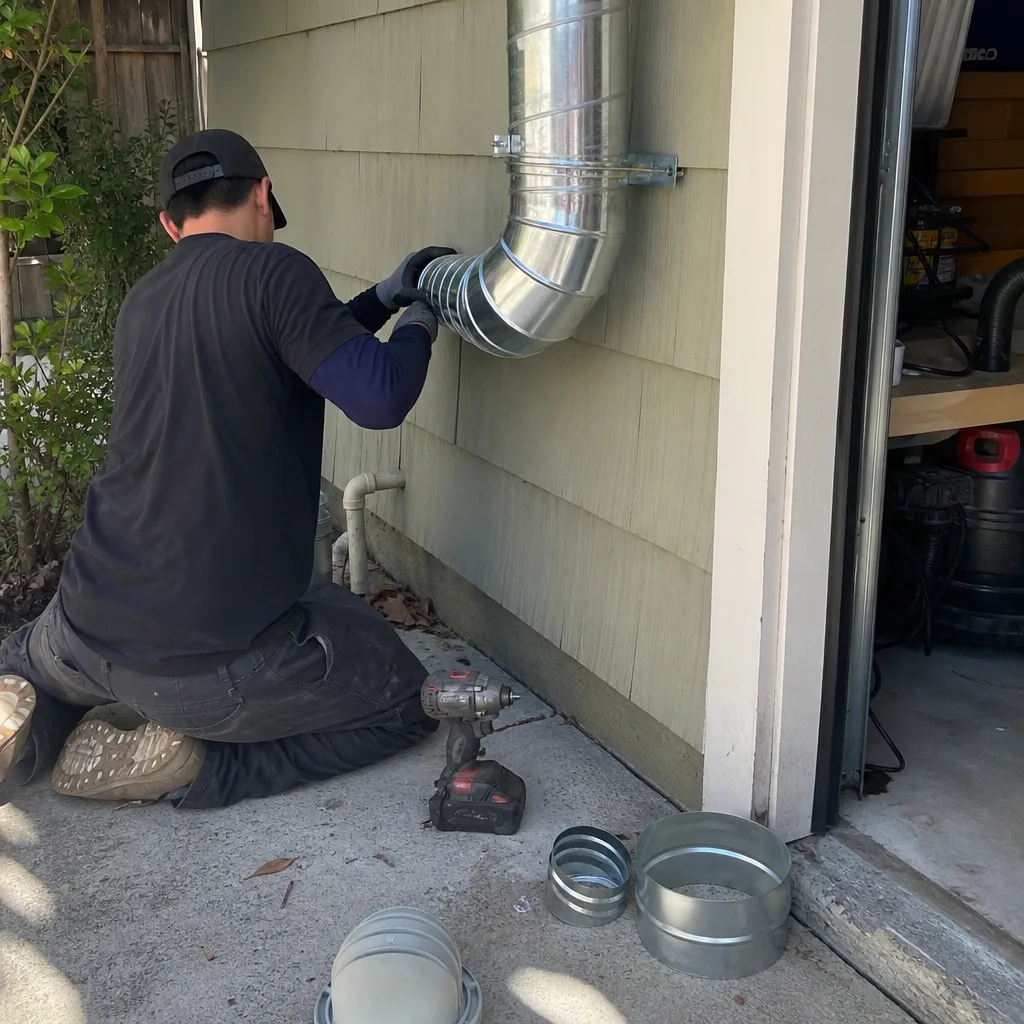
- Assuming all vent cleaning is the same. Dryer Vent Cleaning in Mountain View is a different service from air duct cleaning and requires different tools. A company that treats them as interchangeable is not a specialist.
- Not asking for before and after footage. This is your proof. If the company will not show you what the ducts looked like before and after, you have no way to verify the work. We show every Mountain View customer their footage because that evidence is the product.
When to Call a Professional
Duct cleaning is not a permanent solution or an annual chore for every home. It is a targeted service for specific situations. In Mountain View, we recommend an inspection and cleaning when you move into a home after major renovation, when visible dust keeps returning to surfaces within days of cleaning, when allergy symptoms worsen inside the home, or when you have pets that shed heavily. Renovation dust is a common trigger here, given the volume of remodels across the city from Old Mountain View to the newer neighborhoods near Shoreline. Dryer vents need a separate schedule: most homes benefit from Dryer Vent Cleaning in Mountain View about once a year, especially in households with long dryer runs. If you hear airflow, smell something musty from the registers, or see dust escaping from supply vents, it’s time to bring in a professional. Duct Cleaning Mountain View offers free estimates in Mountain View. Call (866) 528-3938 to schedule an equipment-first inspection.
Frequently Asked Questions
Air duct cleaning in Mountain View typically ranges from $400 to $900 for a whole-home system depending on home size, number of ducts, and debris level. Professional companies quote a flat whole-system price, not a per-vent rate. Call (866) 528-3938 for an exact quote based on your home’s system. Estimates are free.
A professional duct cleaning company should use commercial-grade vacuum and agitation equipment such as Rotobrush, Nikro, or RamAir systems, with HEPA filtration for containment. Consumer shop vacuums and hardware-store hose attachments cannot generate the CFM needed to clean a duct run. Ask the company to name their equipment and provide specs before you book.
The most reliable verification is a camera inspection before and after the cleaning, with footage shown to you. A company that uses CCTV or borescope inspection and shares the results is confident in its work. If a company will not show you before and after footage, treat that as a reason to look elsewhere.
Cheaper duct cleaning quotes usually come from companies using portable consumer equipment, no containment, and per-vent pricing that inflates later. The lower quote reflects lower equipment capability and fewer process steps, not a better deal. Professional equipment and proper containment cost money, and the price difference shows up in the result.
Most homes need air duct cleaning every 3 to 5 years, though homes with heavy pet traffic, recent renovation, or high dust loads in Mountain View may need it sooner. Dryer vents should be cleaned annually. If visible dust returns to surfaces within days of cleaning, that can indicate a duct leak rather than a cleaning problem, and repair may be needed.
If you are not sure, start with an inspection rather than a cleaning. A camera inspection shows whether your ducts have accumulated debris or whether your air quality concerns have a different source. In Mountain View, where dry conditions keep dust airborne longer, visible buildup in ducts is common even in homes that are regularly dusted. An inspection gives you facts instead of guesswork. Call (866) 528-3938 for a free estimate.
The Bottom Line
Choosing the right air duct cleaning brand means choosing the right equipment brand. In Mountain View, where homes range from mid-century to new construction and dust and pollen are constant companions, the difference between a real cleaning and a surface pass is measurable: CFM, hose diameter, agitation tools, containment, and inspection cameras. Ask for the equipment names. Ask for the specs. Ask to see the footage. A professional who can answer those questions confidently is the one worth hiring. Duct Cleaning Mountain View runs Rotobrush and Nikro systems with Abatement Technologies HEPA containment on every job, and we show every homeowner their before and after footage because that proof is the point.
Written by the team at Duct Cleaning Mountain View, serving Mountain View since 2015.
See the difference
 Before
 After
 Before
 After
 Before
 After