
Last updated November 2, 2026
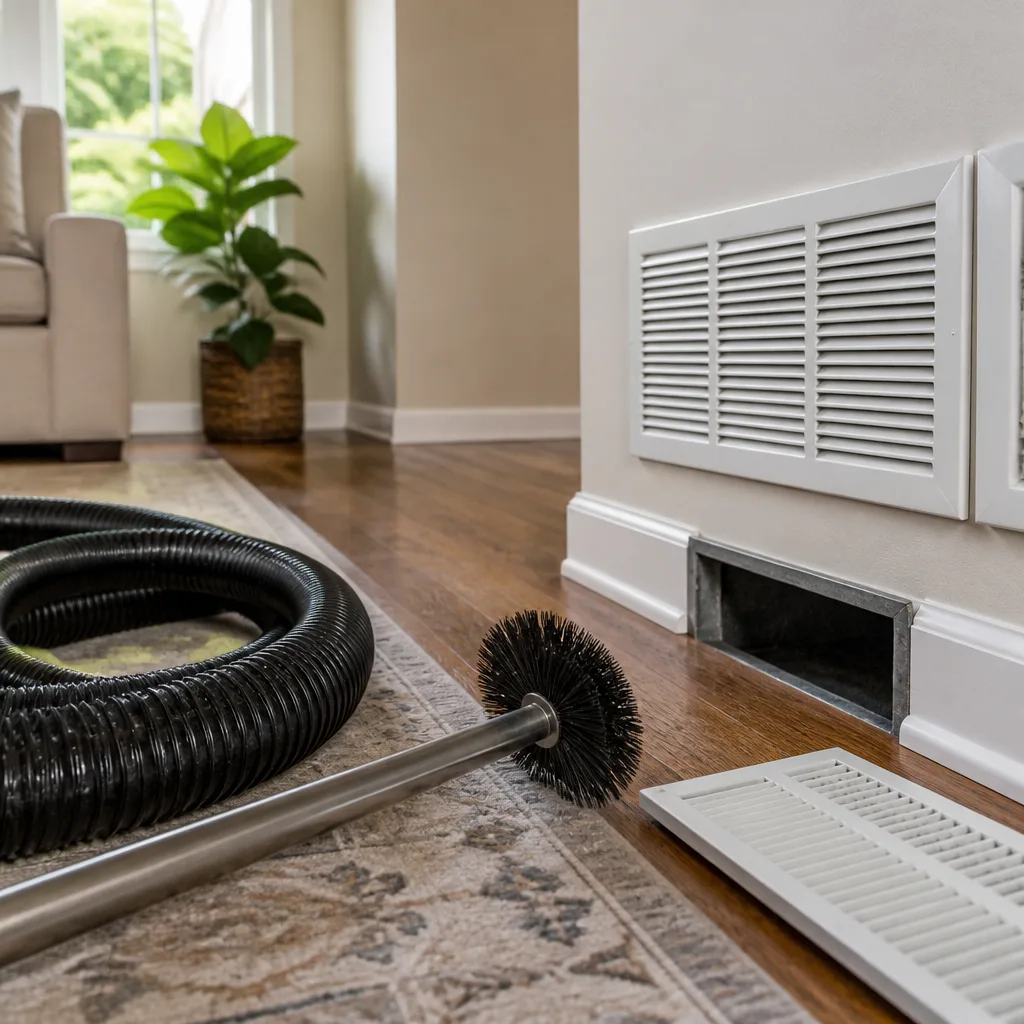 Whole-home duct cleaning
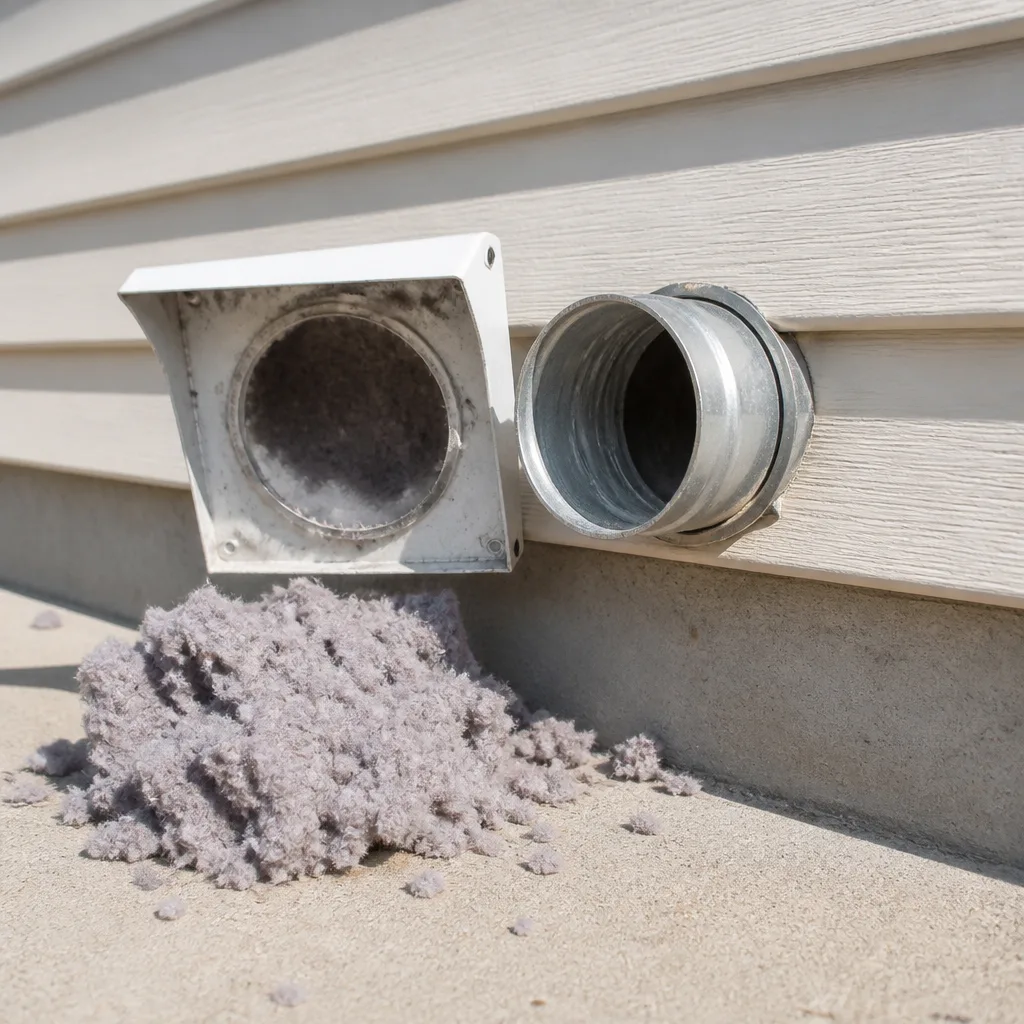 Dryer vent cleaning
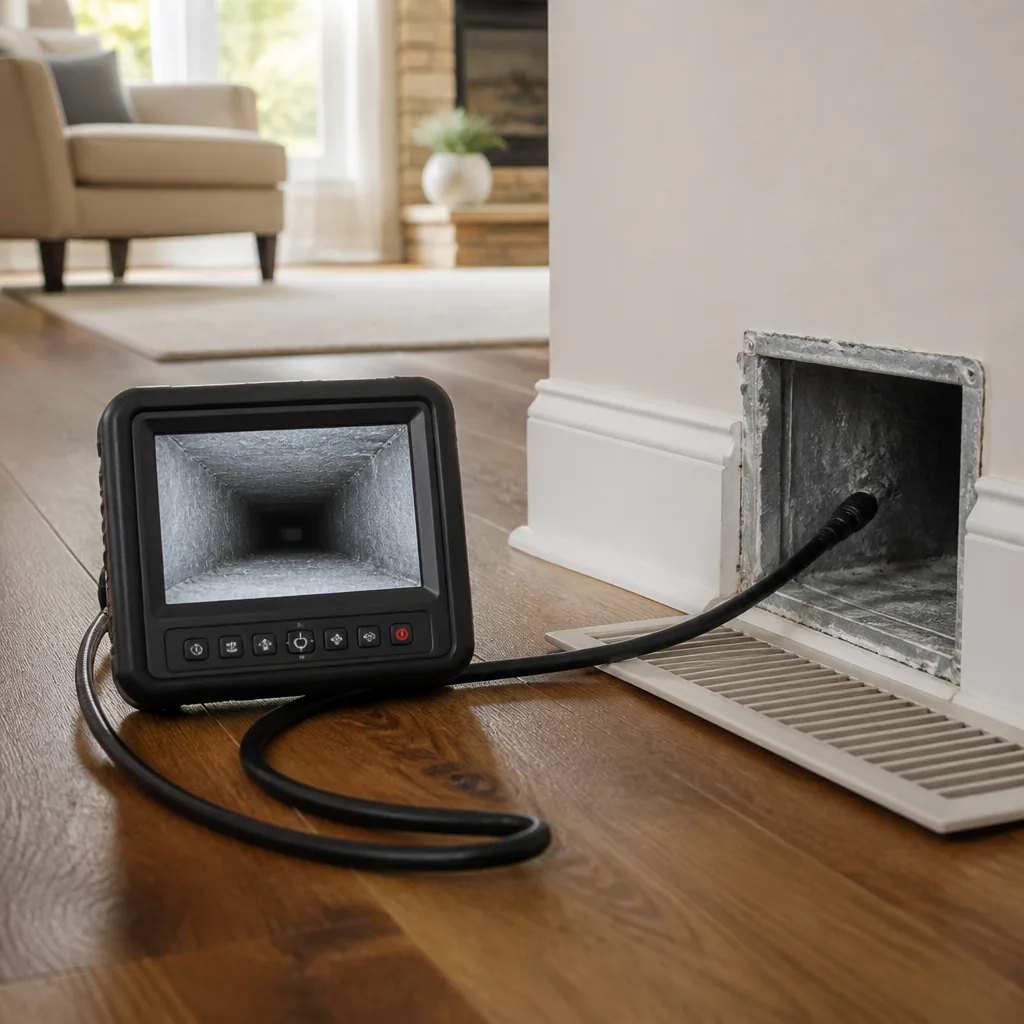 Camera inspection
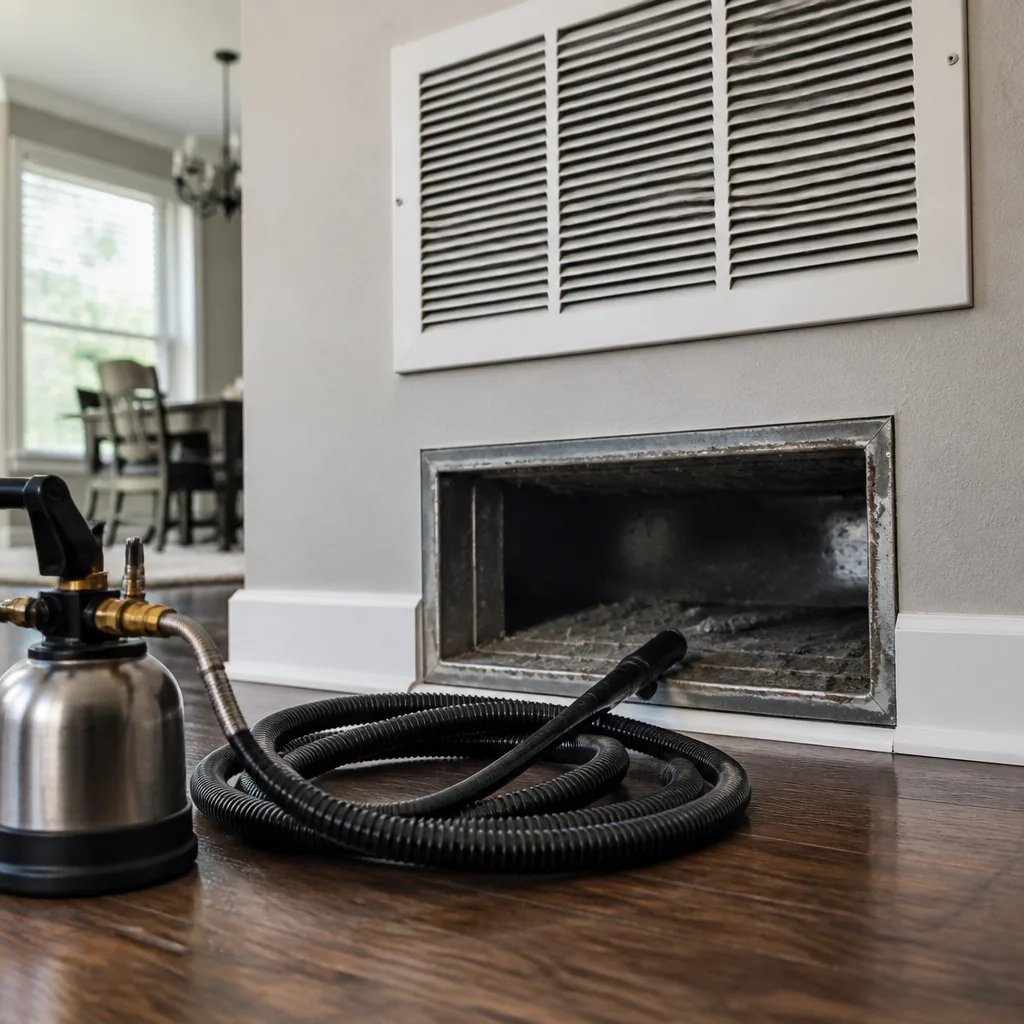 Sanitizing & deodorizing
Whole-system duct and dryer vent check with before-and-after photos - you see exactly what came out of your vents
That "$99 whole-house special" is a bait ad - the real number appears once they are in your hallway, or the "clean" is a shop-vac at the register. We photograph the inside of your ducts before and after instead.
Air Duct Cleaning Cost Breakdown: The Mountain View Homeowner’s Reference for 2026
A $149 whole-house duct cleaning and a $650 one cover different things entirely. The problem is that both invoices often say the same thing: “air duct cleaning.” In Mountain View, where 1950s ranch homes sit next to 2010s two-story builds, duct systems vary wildly in age, material, and accessibility. Understanding what actually drives cost is the only way to know which quote is worth taking when it arrives. This guide breaks down 2026 pricing line by line so you can evaluate any bid on its actual merits, not its marketing language, and our Air Duct Cleaning Maintenance Checklist for Mountain View Homeowners can help you plan ahead.
Quick Answer
Air duct cleaning in Mountain View, CA typically costs between $420 and $720 for a full-service job on a standard 3-bedroom home in 2026. Homes above 2,500 square feet or with multiple zones run $650 to $950. Anything under $250 for a whole-house cleaning means the company is not performing source-removal cleaning with negative pressure equipment, which is the only method that actually works.
Styles & brands we work with
- Whole-home duct cleaning
- Dryer vent cleaning
- Camera inspection
- Sanitizing & deodorizing
Table of Contents
- Why Mountain View Pricing Runs Above the National Average
- Price Ranges by Home Size and Duct Count
- What Actually Drives Cost: The Five Legitimate Variables
- The Math of a $99 Cleaning: Why It Cannot Be Real
- What a Legitimate Full-Service Quote Includes
- Add-Ons Worth Pricing vs. Upsells to Skip
- Why Equipment Actually Matters: Rotobrush, Nikro, and HEPA
- Common Mistakes to Avoid
Why Mountain View Pricing Runs Above the National Average
National averages for air duct cleaning hover around $350. Mountain View runs 30 to 50 percent higher, and that gap is structural, not opportunistic. First is labor. The Bay Area’s skilled trades market operates at some of the highest wage rates in the country, and legitimate duct cleaning requires technicians who understand airflow, system access, and containment, not just someone who shows up with a shop vacuum. That labor costs money here in a way it doesn’t in, say, Phoenix or Dallas.
Second is housing stock. Mountain View has an unusually high proportion of homes built between 1950 and 1980, when sheet metal ducts were standard and often installed in tight crawl spaces or slab foundations. Accessing a crawl space on a raised foundation in the Monta Loma or Waverly Park neighborhoods takes time and care. Some systems have original ducts that have never been opened. That means longer labor hours per job, and labor hours are the core of any honest estimate.
Third is insurance and compliance. California carries higher workers’ compensation premiums and stricter environmental handling requirements than most states. A company doing this work legally in Mountain View pays real overhead that a two-person operation running ads from a rented van in another state doesn’t. That overhead shows up in the quote. It also shows up in what happens if something goes wrong.
What This Means for Your Budget
- Under $250: Suspicious. Almost certainly not source-removal cleaning. Read the “$99 math” section below.
- $350 to $500: Borderline. Possibly legitimate for a small condo or apartment with accessible ducts, but verify equipment and method.
- $420 to $720: The realistic range for a standard Mountain View single-family home in 2026.
- $650 to $950: Expected for larger homes, multi-zone systems, or homes with access challenges.
- Above $1,000: Only justified if the scope includes major add-ons like full duct sealing, sanitization after significant contamination, or extensive repair work.
Price Ranges by Home Size and Duct Count
The following table reflects what we’ve observed across Mountain View’s housing stock in 2025 and early 2026. These are whole-system ranges assuming standard 8-foot ceilings, single HVAC unit, and average access conditions. Multi-story homes and those with two HVAC systems should use the higher end of the range.
| Home Profile | Typical Duct Count | Realistic 2026 Price Range | Notes |
|---|---|---|---|
| Condo or apartment, 1-2 bedrooms | 6-9 ducts | $320-$480 | Access usually straightforward; smaller system means shorter labor. |
| Single-family, 3 bedrooms, ~1,800 sq ft | 10-14 ducts | $420-$620 | The most common job. Crawl space access adds $75-$150. |
| Single-family, 4 bedrooms, ~2,400 sq ft | 14-18 ducts | $550-$750 | Often two return lines; expect more branch runs. |
| Larger or two-story, 2,500+ sq ft | 18-24 ducts | $650-$950 | May involve attic and crawl space access, longer trunk runs. |
| Two HVAC systems (zones) | 20+ ducts total | $800-$1,200 | Effectively two cleaning jobs in one visit. |
Square footage alone doesn’t determine price. A 1,900-square-foot home in the Cuesta Park area with a single return and all ducts in a clean crawl space may cost less than a 1,500-square-foot home in Old Mountain View with ducts buried under slab and rodent contamination. What matters is labor hours, and labor hours are driven by access and condition.
What Actually Drives Cost: The Five Legitimate Variables
When two Mountain View companies quote different prices for what sounds like the same job, the difference usually comes down to these five factors. Any honest estimate should be able to explain which of these apply to your home.
1. System Access Complexity
This is the single largest variable. A furnace in a garage with the duct trunk exposed and accessible makes for a faster, lower-cost job. A furnace in a tight attic knee-wall, common in many 1960s Mountain View homes, adds time. Crawl space access, especially on raised foundations where the technician needs to work beneath the home, adds more. Some systems in the Shoreline West area have mix of accessible and buried ducts that simply take longer to clean properly.
2. Number of Zones or HVAC Systems
A single system serving the entire house is the pricing baseline. If a Mountain View home has two furnaces, two coils, and two duct networks, it’s two jobs. Zoned systems with electronic dampers also require more careful cleaning to avoid damaging damper mechanisms, which adds time.
3. Duct Material: Flex vs. Sheet Metal
Sheet metal ducts, standard in pre-1980 construction, clean predictably and tolerate aggressive agitation. Flex ducts, common in 1990s and newer builds and in many Mountain View townhome developments, require lower pressure and more care. The cleaning method differs, and so does the labor time. Flex duct is also more likely to be torn, sagging, or improperly hung, issues that cleaning won’t fix but a repair service can address.
4. Contamination Level and Type
Normal dust and debris is one pricing category. Visible mold growth, pest remnants, or heavy construction dust from a remodel is another. Mold remediation inside ducts is a specialized process involving antimicrobial application after cleaning, and it adds $150 to $400 depending on severity. Rodent or insect activity adds similar amounts and may require deodorization. These are not standard cleaning jobs, and legitimate companies will quote them separately after inspection.
5. Pre-Existing Repair Needs
Sometimes the duct cleaning process reveals what was already wrong: disconnected runs, crushed flex sections, gaps at connections, or degraded plenums. These are root-cause issues that cleaning cannot solve. In Mountain View’s older housing stock, we regularly find duct runs that have been disconnected for years, silently heating or cooling the crawl space instead of the bedroom. Any legitimate estimate should note that repair work may be identified during cleaning and quote that work separately. This is why we maintain Air Duct Repair in Mountain View as a distinct service line: cleaning removes the debris, repair fixes the system.
The Math of a $99 Cleaning: Why It Cannot Be Real
The $99 whole-house duct cleaning is the most persistent offer in this industry, and it survives because the economics of a proper job are invisible to most homeowners. Here’s the math.
A legitimate source-removal cleaning on a 1,800-square-foot Mountain View home takes two technicians between 3 and 5 hours. That includes setup, access points in the trunk line, agitation of each branch, negative pressure collection, register pull-and-clean, and equipment breakdown. At Bay Area technician rates of $50 to $80 per hour per person, labor alone is $300 to $800 before any equipment cost, insurance, fuel, or company overhead. A $99 job allows for roughly 45 to 60 minutes of total labor. In that time, a technician can do one of two things: blow compressed air around a couple of registers, or hook up a consumer-grade vacuum to one point in the system and call it done. Neither is duct cleaning.
The equipment difference compounds the labor difference. Professional negative-pressure systems, like the Rotobrush and Nikro setups used by Duct Cleaning Mountain View home service teams, cost between $10,000 and $35,000 per unit and require ongoing maintenance. Add HEPA containment from Abatement Technologies so that dislodged particulate doesn’t recirculate through the living space, and the equipment cost per job lands somewhere around $50 to $100 before a single hour of labor. A company charging $99 is not doing this work. They cannot be. The unit economics do not close.
What $99 to $199 typically gets you is a bait-and-switch entry point: a technician arrives with a small vacuum, spends an hour making noise, then presents a “discovery” list of problems requiring an additional $500 to $1,500 in work. The homeowner either pays far more than the advertised price or gets a cleaning that did nothing. The reason this model persists in Mountain View is the same reason it persists everywhere: homeowners don’t know what real cleaning looks like, so they can’t tell the difference until the invoice arrives. Our Air Duct Cleaning Emergency Preparedness Guide for Mountain View Homes explains how to spot red flags before you book.
What a Legitimate Full-Service Quote Includes
A real quote should read like a scope of work, not a single line with a price. Here’s what we believe every Mountain View homeowner should see itemized before agreeing to a job. If a quote doesn’t specify these steps, ask for them in writing.
Typical Full-Service Duct Cleaning Scope
- System inspection and video documentation (15-30 minutes): Before any cleaning begins, the technician should inspect the trunk line, branch runs, and plenums with a camera. This establishes baseline condition and identifies problems that cleaning won’t solve, like collapsed flex or disconnected sections. You should receive photos or video of what was found.
- Register pull and cleaning (20-40 minutes): Every supply register and return grille is removed, cleaned, and set aside. This is where accumulated film, hair, and debris concentrate. Registers are not decorative covers; they’re the final delivery point, and they get dirty.
- Trunk line cleaning with negative pressure (45-90 minutes): The main supply and return trunks are connected to a high-powered vacuum system that pulls air through the system continuously while agitation tools loosen debris from the duct walls. The key requirement here is that the vacuum be powerful enough to maintain negative pressure through the entire trunk run, not just at the connection point.
- Branch duct cleaning (60-120 minutes): Each branch line is agitated individually using rotating brushes or compressed air tools while the negative pressure system remains active. This is the most time-consuming part of the job and the part most likely to be skipped by low-price operators.
- Air handler and plenum service (20-40 minutes): The return plenum, blower compartment, and supply plenum are cleaned and vacuumed. The evaporator coil, if accessible, is inspected; a visibly impacted coil requires separate coil cleaning service and should be quoted as such.
- Final verification (15-20 minutes): The technician should show you post-cleaning photos of the ducts and explain what was removed. You should be able to see the difference, not just be told about it.
For homes where duct contamination has been significant, a post-cleaning treatment using Guardsman-brand protective products may be applied to interior duct surfaces. This is an optional step that helps inhibit future microbial growth and is priced separately. It is not a substitute for cleaning; it’s a finishing step.
Add-Ons Worth Pricing vs. Upsells to Skip
Once the core cleaning is quoted, most Mountain View homeowners get pitched add-ons. Some are genuinely worth paying for. Others are margin-padding with little measurable benefit in a standard home. Here’s how to sort them.
Worth Pricing
- Dryer Vent Cleaning in Mountain View: This is not an add-on to duct cleaning; it’s a separate safety-critical service. Clogged dryer vents are a fire hazard and a primary cause of dryer inefficiency. If you’re having ducts cleaned, have the dryer vent done at the same time. Typical Mountain View pricing: $120 to $200.
- Air duct sealing (Aeroseal or similar): Older Mountain View homes often lose 20 to 30 percent of conditioned air through duct leaks. Sealing pays for itself in energy savings over 2 to 4 years. This is a distinct service from cleaning, with its own pricing, typically $1,500 to $2,500 for a full system in a standard home.
- UV light installation: If persistent microbial concerns exist, in-duct UV systems can be effective when properly sized and installed upstream of the coil. Not a substitute for cleaning, but a legitimate long-term treatment. Actual equipment and installation cost varies, but expect $600 to $1,200.
- Filter upgrade to media cabinet or electronic air cleaner: For homes using standard 1-inch filters, upgrading to a 4 or 5-inch media cabinet significantly improves particle capture and reduces how often ducts re-contaminate. Companies familiar with Honeywell and Aprilaire product lines can advise on compatibility with your existing system.
Usually Skip
- Per-vent pricing structures: Companies that price per vent almost always end up more expensive than whole-system pricing once the total runs past 12 or 14 vents. This structure also incentivizes skipping difficult vents. Insist on one flat price for the entire system.
- Deodorizing fog or “aroma treatment”: If the duct system is properly cleaned, odor removal is a consequence of the cleaning, not a separate service. Fogging without cleaning simply masks odor temporarily. This is one of the most common margin-padding pitches in the industry.
- Whole-house sanitizing sprays: EPA-registered antimicrobials applied to duct surfaces have measurable value only in specific contamination scenarios, mainly mold or pest remediation. For standard dust cleaning, they add cost without add benefit. If a company pushes this on every job, that’s a red flag.
- Blower motor cleaning as an automatic add-on: The blower motor should be inspected during cleaning. If it’s visibly loaded, cleaning it is warranted. But routine blower motor pull-and-clean on every job is unnecessary labor billing.
Why Equipment Actually Matters: Rotobrush, Nikro, and HEPA
Every duct cleaning company says they have professional equipment. Most don’t. The difference between consumer-grade tools and true professional systems is not cosmetic, and it’s not something you can identify from a website photo. Here’s what to look for when you ask about equipment before scheduling.
Professional source-removal cleaning requires two things working together: mechanical agitation of debris inside the duct, and continuous negative pressure to pull that debris out of the system. The industry-recognized systems that do this properly include Rotobrush and Nikro. These are powered rotary brush systems and high-CFM vacuum units designed specifically for HVAC duct geometries, not adaptations of other cleaning tools.
Equally important is containment. When you agitate duct walls, whatever was resting there becomes airborne. If the technician is using a shop-style vacuum that exhausts back into the room, the “cleaning” has simply moved the dust from the duct lining to your living room air. Abatement Technologies HEPA filtration equipment solves this by capturing the extracted particulate at the point of removal. HEPA containment means what comes off your duct walls doesn’t go back into your air. Ask any company you’re considering: “What brand of agitation equipment and vacuum system do you use, and how do you contain the extracted material during cleaning?” If they can’t answer with specific brand names and a clear containment method, keep looking.
Equipment quality also affects safety. Consumer-grade vacuums don’t have the filtration capacity for continuous duct work and can overheat or blow dust through the exhaust. Professional systems are engineered for this specific job. In our work across Mountain View, we’ve used Air Duct Cleaning in Mountain View service protocols built around Rotobrush and Nikro systems with Abatement Technologies HEPA containment on every residential job. It’s slower and more expensive than the cheap approach. It’s also the only method that produces results you can see and air quality that actually improves.
Common Mistakes to Avoid
- Buying on price alone without asking about method. A $199 cleaning that recirculates dust back into your home is not a bargain; it’s a negative-value transaction. Ask what equipment and containment are used.
- Accepting an estimate over the phone without a system inspection. Legitimate companies can quote a range by phone but should inspect before confirming. If someone gives a firm all-in price for your specific Mountain View home without seeing it, they’re either doing a fixed menu job (skipping steps) or planning a bait-and-switch.
- Ignoring the dryer vent. Duct cleaning and dryer vent cleaning are separate services with separate purposes. One improves indoor air quality; the other prevents a house fire. Doing one without addressing the other leaves the biggest single risk in place.
- Assuming ducts are fine because the house is new. Construction debris in ducts is common in new and recently remodeled Mountain View builds. Drywall dust, sawdust, and debris get into the system during framing and finishing. New build homes often need a post-construction duct cleaning, not despite being new, but because of it.
- Treating visible mold in the ducts as a standard cleaning job. Mold requires different treatment than dust. Insist on antimicrobial application specific to the contamination type, and if the mold is extensive, get a written scope before the work begins.
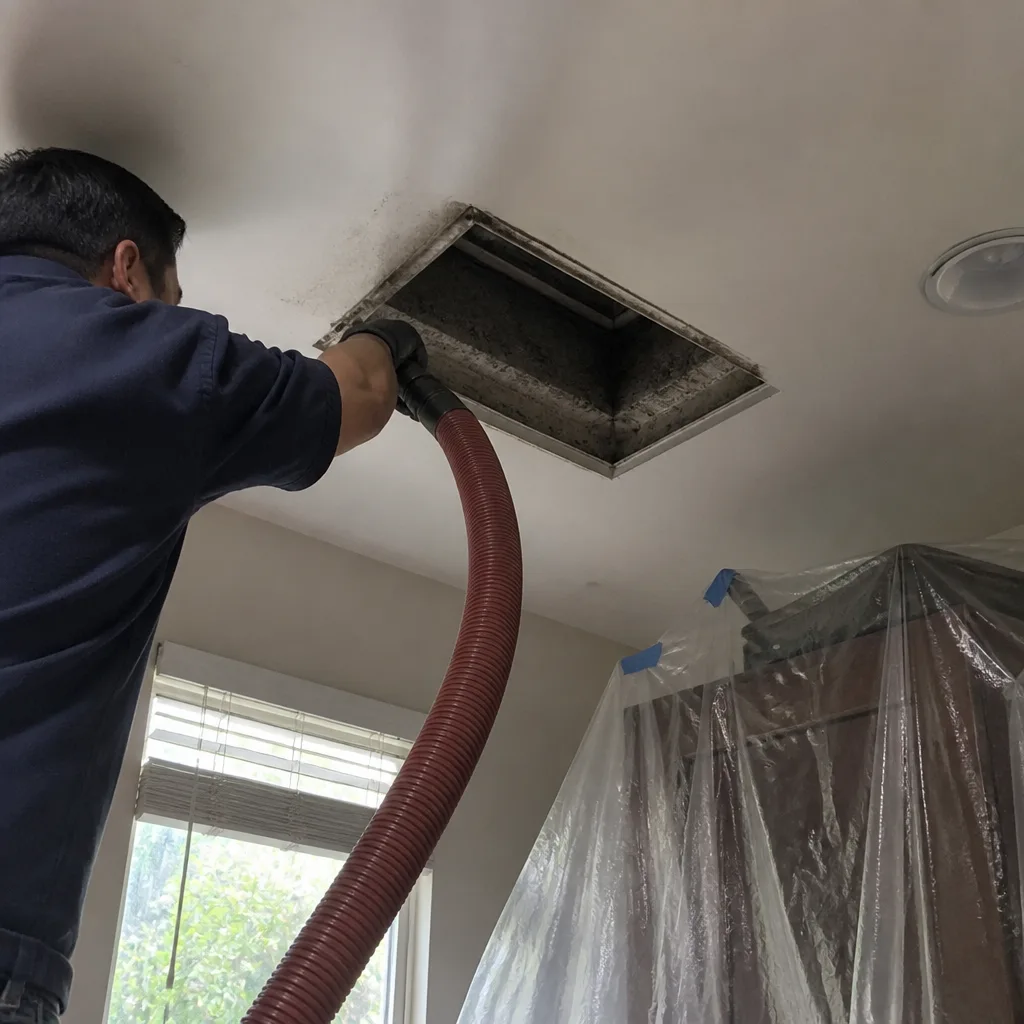
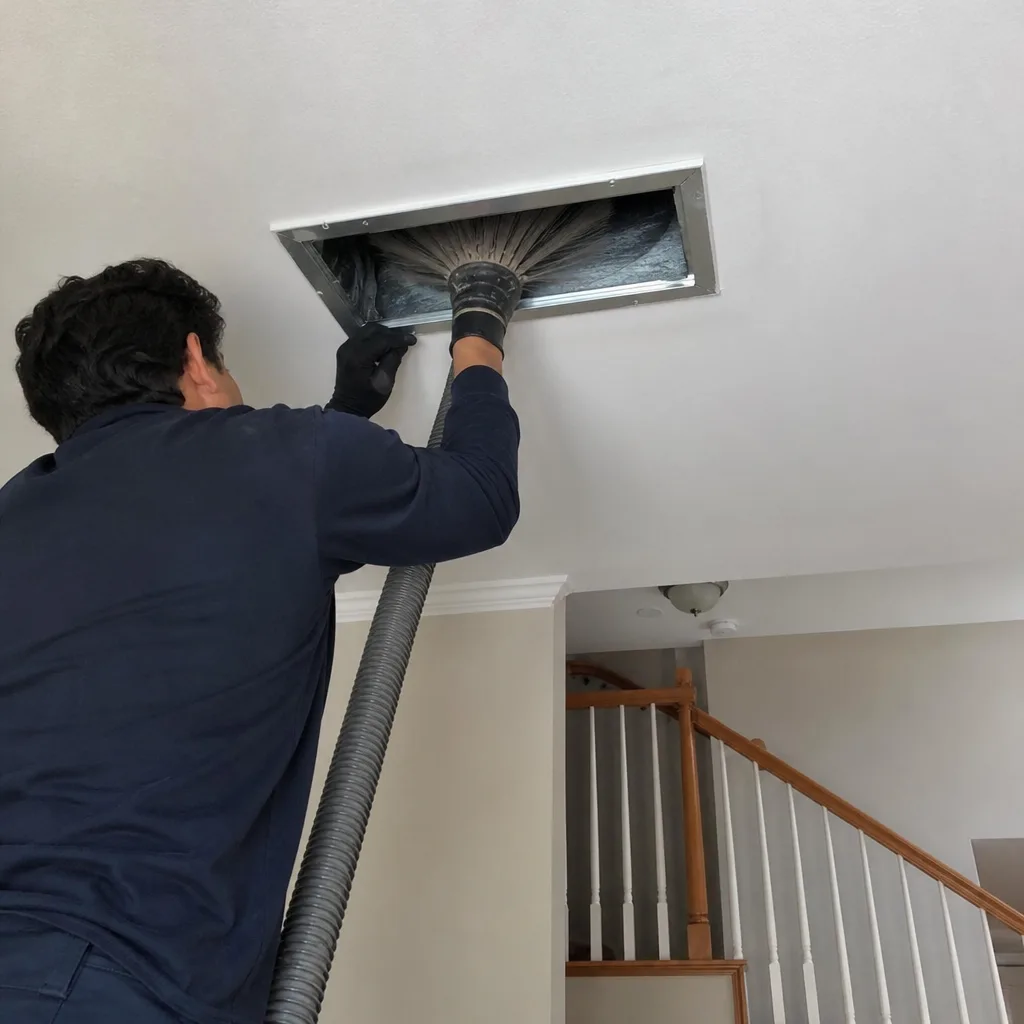
- Skipping the post-cleaning verification. If the company doesn’t offer you before and after photos of your own ducts, how do you know the work was done? Ask for visual verification. We consider it a standard part of the job, not an optional courtesy.
- Accepting a quote that doesn’t mention the air handler. The blower compartment and plenums are part of the system. A cleaning that skips them leaves a primary contamination source in place, and the ducts re-contaminate within months.
See the difference
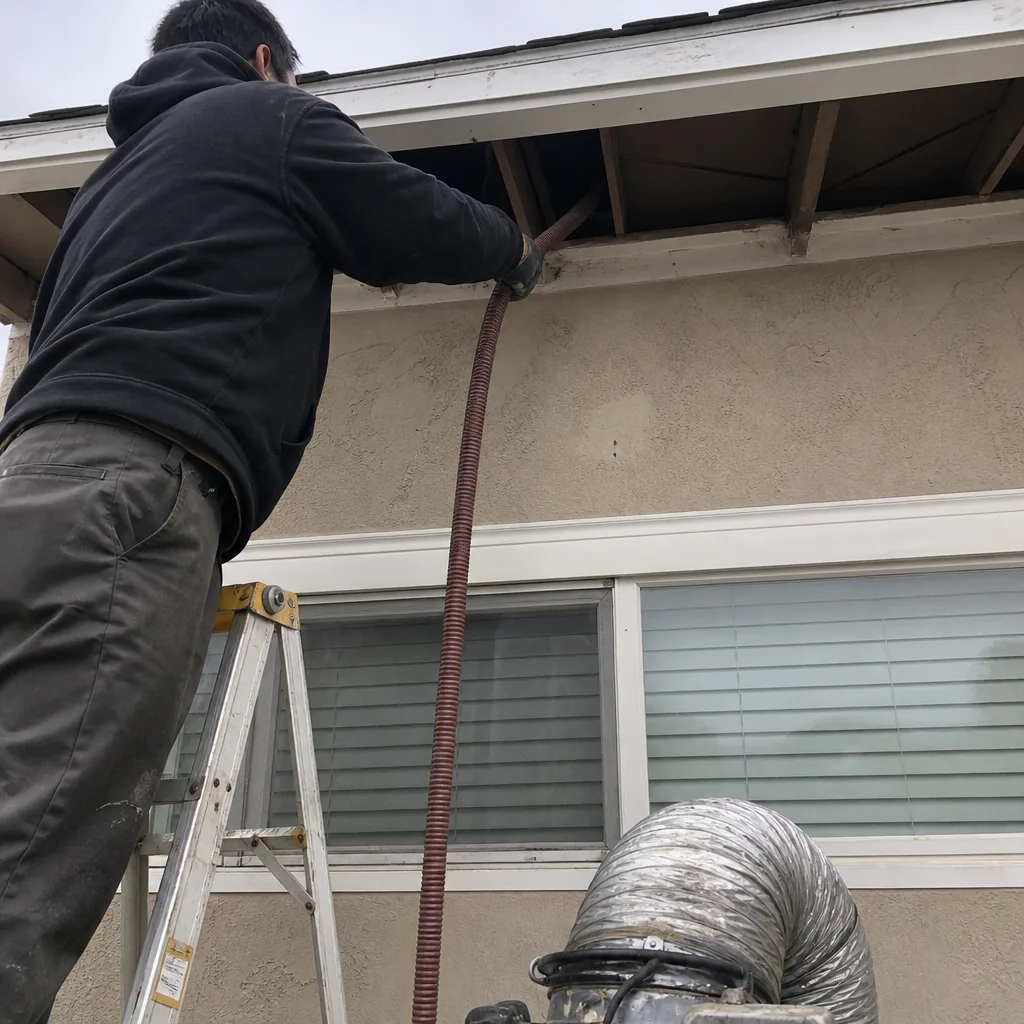 Before
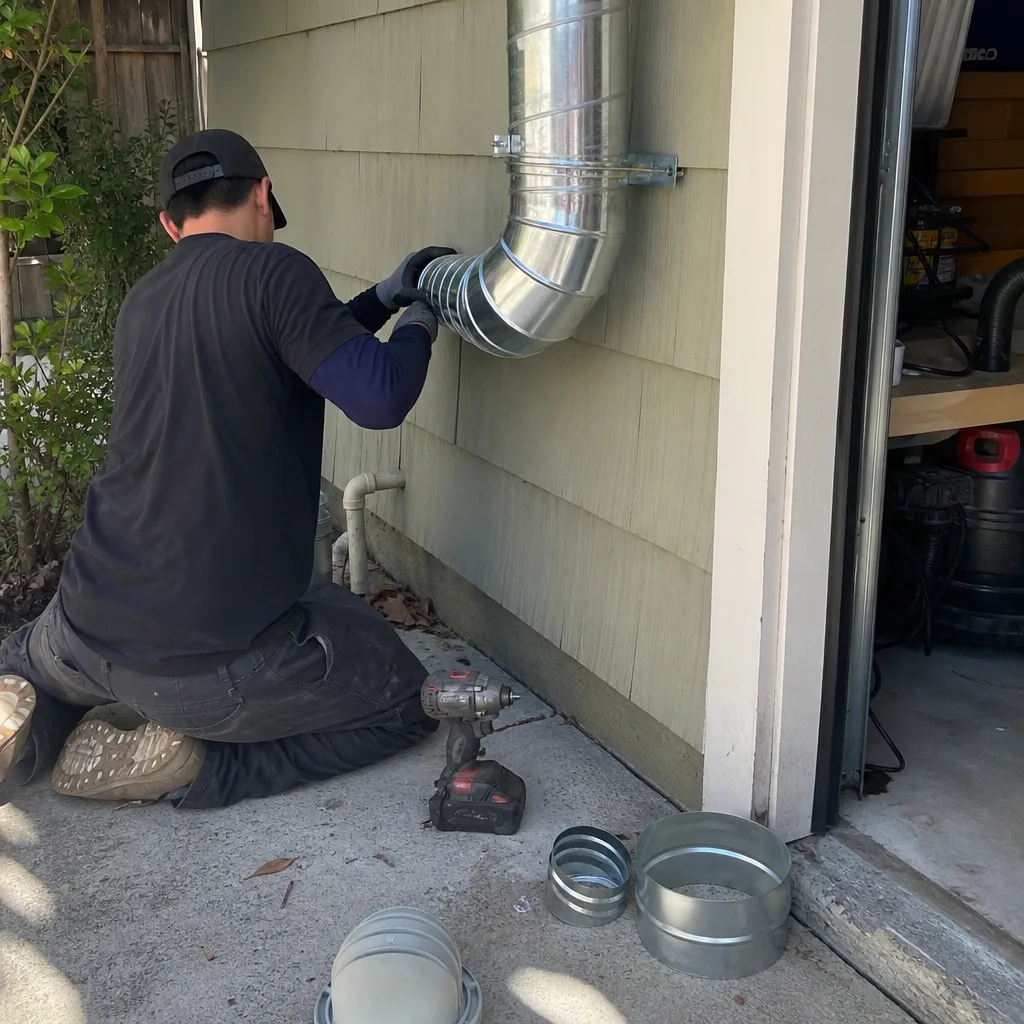 After
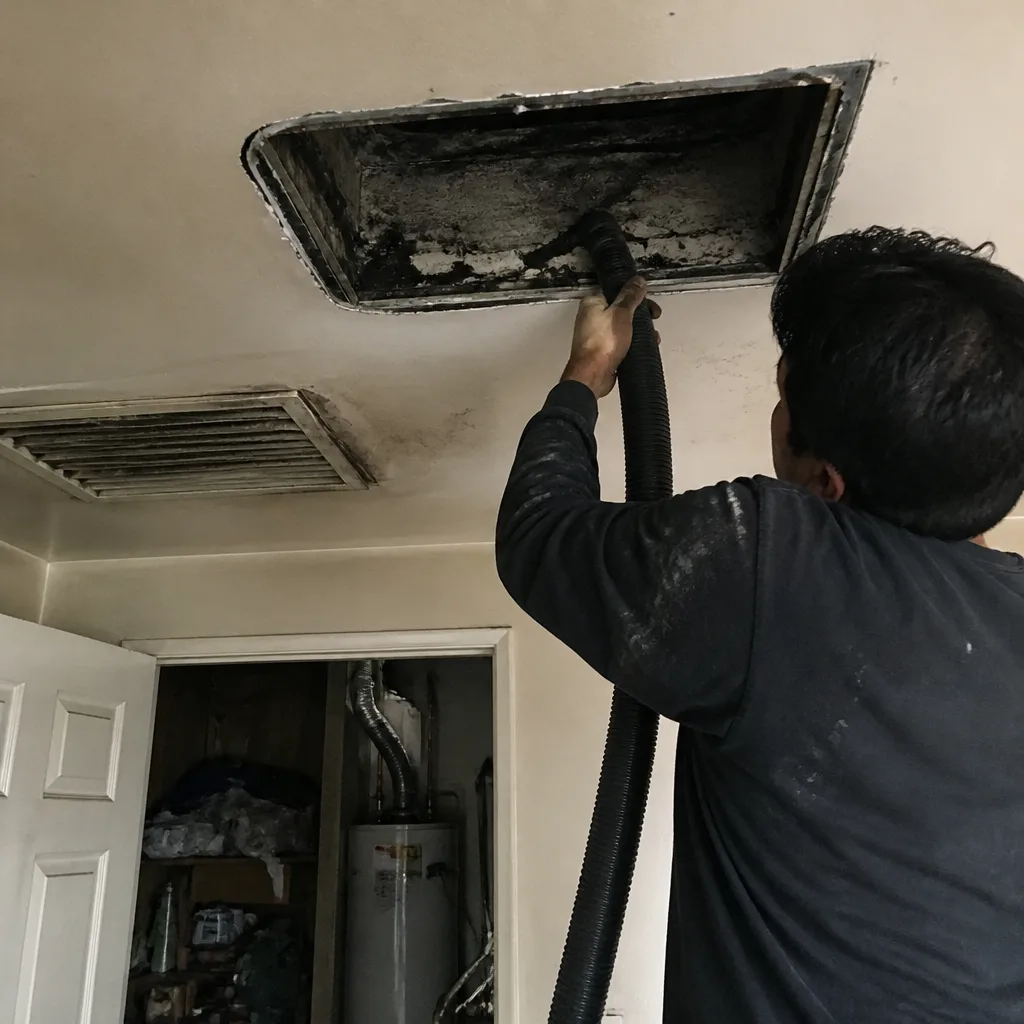 Before
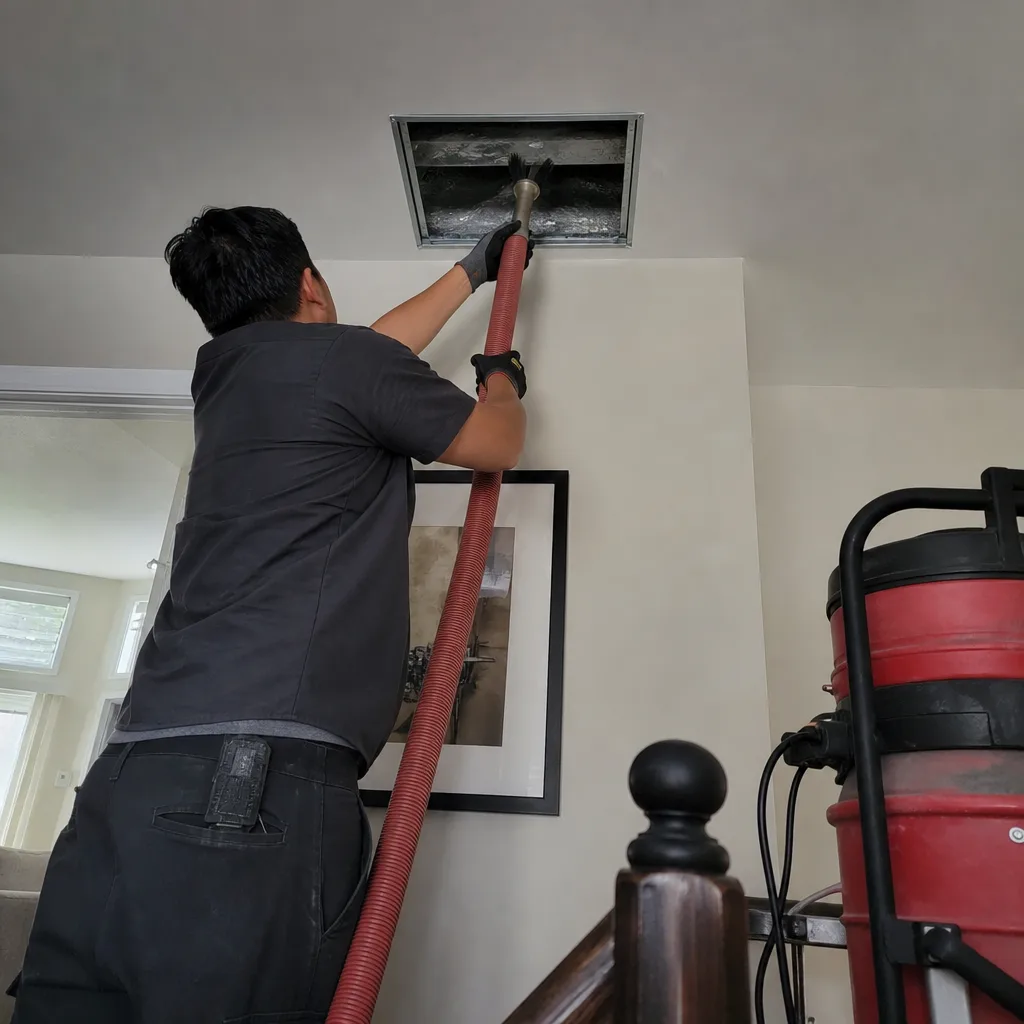 After
 Before
 After
When to Call a Professional
Specific situations warrant immediate professional attention rather than continued monitoring. If visible mold is present inside the ducts, near registers, or on the coil, cleaning with antimicrobial treatment is required before the problem spreads into the living space. If there’s been a rodent or pest infestation, the debris and droppings inside the ductwork are a health issue that household cleaning cannot address. If you’ve completed a remodel that generated drywall dust, especially in a Mountain View home where ducts often run through the work zone, post-construction cleaning should be scheduled before you move back into full occupancy. If rooms heat or cool unevenly despite a functioning system, the problem may be structural, and cleaning may reveal the issue. Duct Cleaning Mountain View offers Air Duct Repair in Mountain View when cleaning alone won’t fix what’s broken. For a free estimate in Mountain View, call (866) 528-3938.
Frequently Asked Questions
In 2026, expect to pay between $420 and $720 for a full-service cleaning on a standard 3-bedroom Mountain View home. Smaller condos run $320 to $480, larger or multi-zone homes run $650 to $950. The price reflects labor hours, equipment quality, and containment method, not just square footage. Call (866) 528-3938 for an exact quote, estimates are free.
Cheap quotes usually indicate a different service being performed. A $99 to $199 quote cannot cover the labor and equipment required for source-removal cleaning with negative pressure and HEPA containment. These low-price jobs typically involve minimal agitation and either no containment or consumer-grade filtration, meaning dust is stirred up and partially recirculated rather than removed. You’re not comparing two prices for the same service; you’re comparing two different services that share a name.
Ask for before and after photos of your own duct interior, taken with the inspection camera. Any legitimate company should provide visual verification as a standard part of the job. If a company can’t or won’t show you the interior of your ducts before and after, treat that as a failure of verification. We provide this documentation on every Mountain View job without being asked.
Most Mountain View homes benefit from cleaning every 3 to 5 years under normal conditions. More frequent cleaning is warranted if you have significant pet hair, recent construction debris, a diagnosed mold issue, or household members with respiratory sensitivities. Less frequent cleaning may be fine for homes with upgraded filtration, such as 4-inch media cabinets from Aprilaire or Honeywell, which reduce how quickly ducts re-contaminate. The honest answer is that duct cleaning isn’t an annual maintenance item despite what some companies market. Call (866) 528-3938 for a free estimate, and we can help you determine if cleaning is actually warranted before you spend anything.
Duct cleaning addresses the HVAC supply and return ductwork that circulates conditioned air through the home. Dryer vent cleaning addresses the separate exhaust line from the clothes dryer to the exterior vent. They’re different systems, different tools, and different purposes. Dryer vent cleaning is primarily a fire-safety service because lint accumulation is combustible. The two are often scheduled together but priced separately.
Duct cleaning can reduce the amount of particulate matter circulated through the home when ducts have accumulated significant dust, pet dander, or construction debris. However, it’s not a cure for allergy symptoms. Homes with persistent allergen issues also benefit from upgraded filtration, which is why we maintain familiarity with Honeywell and Aprilaire product lines for post-cleaning air quality solutions. The cleaning removes what’s in the system; the filtration keeps new particulate from accumulating as quickly.
The Bottom Line
Duct cleaning pricing in Mountain View varies by a factor of five, and the difference maps almost exactly to equipment capability, labor hours, and scope of service. A legitimate full-service job on a standard home costs between $420 and $720 in 2026. Anything dramatically cheaper is either a different service being called the same name, or a bait-and-switch waiting to happen. Ask about equipment brands, containment method, and post-cleaning verification before you sign anything. A good company will answer those questions without hesitation.
Written by the team at Duct Cleaning Mountain View, serving Mountain View since 2015.